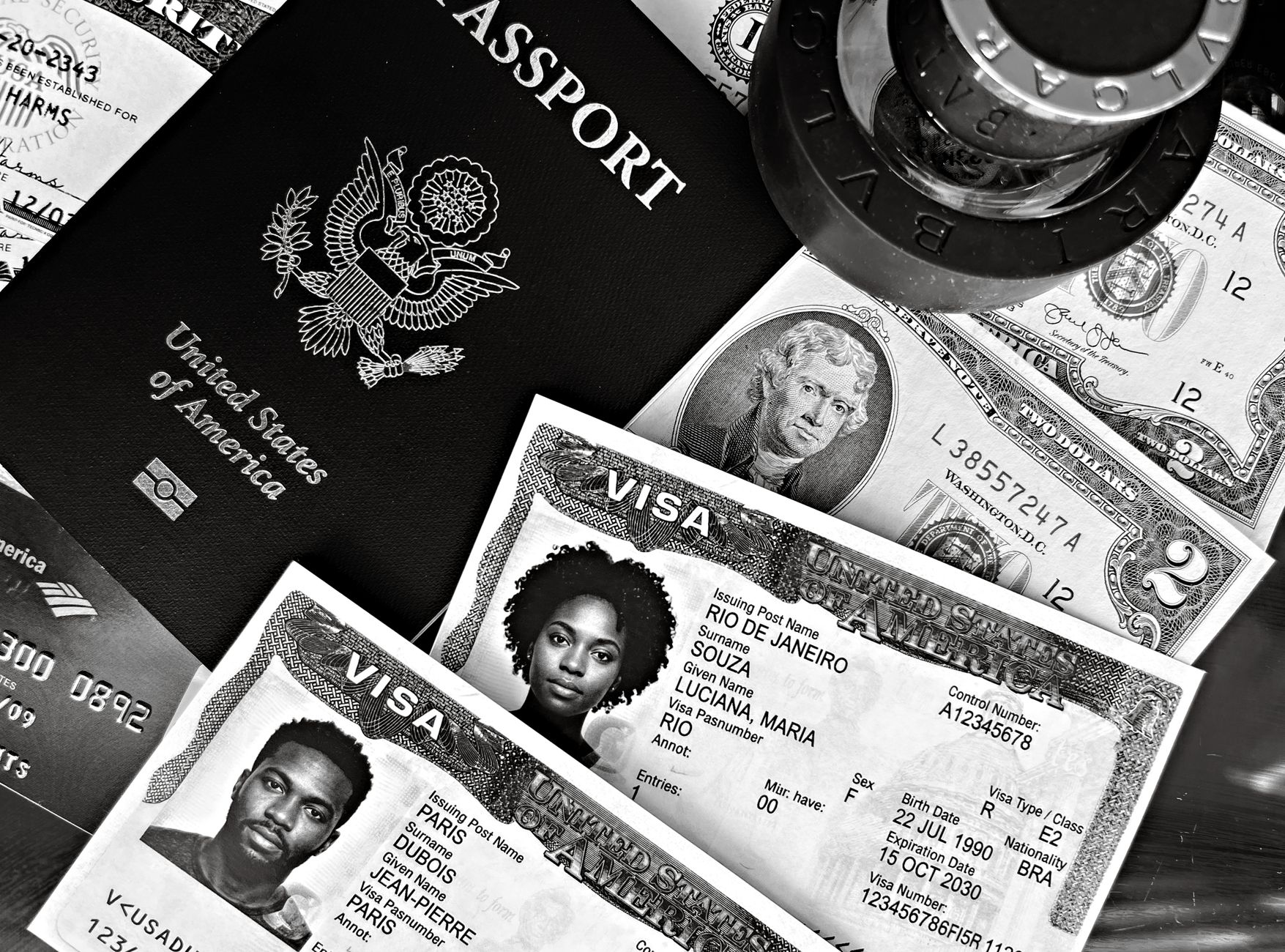
The visa fraud investigation has unveiled alarming practices involving sham staffing firms and fake student records. This serious issue raises concerns about the integrity of the immigration system.
Overview of the Visa Fraud Investigation
The recent visa fraud investigation has unveiled a shocking network of deceit that raises serious concerns about immigration processes in the United States. Authorities have identified numerous sham staffing firms that have been operating under the guise of legitimate businesses, exploiting loopholes in the visa system.
As part of the investigation, federal agents have scrutinized a range of practices that include:
- Creation of fake student records to facilitate illegal visa applications.
- Collusion between staffing firms and educational institutions to provide fraudulent documentation.
- Manipulation of employment offers to deceive immigration officials.
This extensive operation has led to multiple arrests and has raised questions about the integrity of current immigration policies. Investigators are focusing on how these staffing firms managed to operate without significant oversight for so long, highlighting potential gaps in the system.
The implications of this visa fraud investigation are profound, as it not only affects the individuals involved but also undermines the legitimacy of visa programs designed to attract skilled workers. The exposure of these scams has prompted calls for reform to enhance the scrutiny of visa applications and strengthen enforcement against fraudulent practices.
As the situation develops, it remains to be seen how authorities will respond to these vulnerabilities in the immigration system.
Key Findings from the Investigation
The recent visa fraud investigation has unveiled several alarming practices that undermine the integrity of immigration processes. The investigation focused on identifying fraudulent activities related to visa applications, particularly in the context of staffing firms and educational institutions. Here are some key findings:
- Sham Staffing Firms: Authorities have identified numerous staffing companies that serve as fronts for illegal visa applications, employing individuals who do not fulfill the job requirements.
- Fake Student Records: Investigators discovered that several educational institutions were issuing bogus transcripts and diplomas, facilitating student visa fraud.
- Collusion with Recruiters: Some recruiters were found to be collaborating with these sham firms, creating a network that traffics in fraudulent visa applications.
- Impact on Legitimate Applicants: The investigation highlighted how these fraudulent practices harm genuine visa seekers, delaying their applications and creating additional scrutiny for all.
- Legal Consequences: Many individuals involved in the fraud have faced severe penalties, including criminal charges and deportation.
This visa fraud investigation has raised critical questions about the effectiveness of current systems in place to detect and prevent such scams. As authorities continue to crack down on these illegal activities, the implications for both immigration policy and international relationships remain significant.
Impact on Students and Workers
The recent visa fraud investigation has raised significant concerns about its impact on students and workers across the United States. Many individuals seeking to study or work in the country have found themselves entangled in a web of deceit, often without their knowledge.
Sham staffing firms have been flagged, leading to a surge in fraudulent employment opportunities that target vulnerable populations. These firms often promise lucrative job placements but ultimately exploit workers, leaving them without recourse. As a result, many employees find themselves in precarious situations, struggling to secure their legal status.
Furthermore, the investigation has uncovered numerous instances of fake student records. This not only undermines the integrity of educational institutions but also poses significant risks for genuine students. Those who have unknowingly enrolled in these fraudulent programs may face severe consequences, including deportation or difficulty in obtaining future visas.
The emotional toll on affected individuals is profound. Many students and workers report feelings of betrayal and anxiety, as their dreams of a better life in the U.S. are jeopardized by the actions of unscrupulous operators.
In light of the visa fraud investigation, authorities are urging individuals to remain vigilant and conduct thorough research before pursuing employment or educational opportunities. The ramifications of falling victim to such scams can be dire, affecting not only personal lives but also the broader economy.
How Sham Staffing Firms Operate
Sham staffing firms are a pivotal element in the ongoing visa fraud investigation that has captured national attention. These operations typically promise employment opportunities to international students and workers but are often nothing more than a front for illegal activity.
Operating under the guise of legitimate businesses, these firms exploit loopholes in visa regulations. Their tactics include:
- False Job Offers: Many students receive counterfeit job placements that do not exist, luring them into a false sense of security.
- Fake Documentation: Some firms produce fake employment records to help clients maintain their visa status, which can lead to severe legal repercussions.
- High Fees: Individuals are often charged exorbitant fees for services that are either substandard or nonexistent, putting financial strain on vulnerable populations.
The implications of these operations extend beyond individual victims. By undermining the integrity of the visa system, sham staffing firms contribute to a broader culture of fraud that can have devastating consequences for legitimate businesses and the job market. As authorities delve deeper into the visa fraud investigation, it is becoming increasingly clear that these firms play a significant role in perpetuating systemic abuse of the immigration system.
The Role of Fake Student Records
The recent visa fraud investigation has unveiled a disturbing trend involving fake student records. These fraudulent documents have played a crucial role in enabling individuals to exploit the system, thereby jeopardizing the integrity of legitimate educational institutions.
Authorities have identified several methods used to create these phony records, including:
- Creating fictitious schools: Some scammers establish non-existent educational institutions that merely serve as a front for visa applications.
- Manipulating existing records: Unscrupulous individuals may alter actual student records to fabricate a story that supports their visa application.
- Colluding with insiders: In some cases, employees at legitimate schools are bribed or coerced into providing false documentation.
These tactics not only undermine the efforts of genuine students seeking education abroad but also pose significant risks to national security. The implications of the visa fraud investigation extend beyond the immediate concerns, as these fake records can lead to a multitude of issues, including the influx of individuals who do not adhere to legal immigration practices.
As the investigation continues, it is essential for educational institutions and immigration authorities to collaborate closely to identify and eliminate these fraudulent practices. The integrity of the visa system depends on addressing these challenges swiftly and effectively.
Legal Consequences of Visa Fraud
The legal consequences of visa fraud can be severe, particularly as authorities intensify their scrutiny of fraudulent practices. Individuals and organizations implicated in these schemes face a range of penalties that can drastically alter their lives and careers.
Those found guilty of visa fraud may encounter the following legal repercussions:
- Criminal Charges: Perpetrators can face felony charges, which may result in significant fines and lengthy prison sentences.
- Deportation: Non-citizens involved in visa fraud investigations risk deportation, losing their legal status in the country.
- Loss of Employment: Individuals may be terminated from their jobs and struggle to find new employment due to their involvement in illegal activities.
- Legal Fees: The cost of defending against visa fraud allegations can be exorbitant, leading to financial strain.
Furthermore, the impact extends beyond individuals to organizations that employed or facilitated these fraudulent practices. Companies found guilty of engaging in visa fraud may face sanctions, loss of business licenses, and reputational damage.
As the visa fraud investigation unfolds, it has become clear that the legal ramifications are extensive, affecting not just the guilty parties but also innocent individuals caught in the crossfire. Awareness of these consequences is crucial for anyone involved in international work or study programs.
What You Need to Know About Immigration Compliance
Immigration compliance is a critical aspect of maintaining the integrity of the visa system, especially in light of the recent visa fraud investigation that has unveiled troubling practices. Understanding the requirements and responsibilities can help individuals and organizations navigate the complexities of immigration law.
Here are some essential points to consider regarding immigration compliance:
- Know the regulations: Familiarize yourself with the specific visa requirements for your situation, whether you are a student, worker, or employer. This includes understanding eligibility criteria and maintaining valid documentation.
- Monitor compliance: Employers must ensure that they are in compliance with immigration laws when hiring foreign workers. Regular audits and training can help identify potential issues before they escalate.
- Report suspicious activity: If you encounter fraudulent practices, such as sham staffing firms or fake student records, it is crucial to report them to the relevant authorities. This can help prevent further abuses of the system.
- Stay informed: Keep up-to-date with changes in immigration laws and policies. Engaging with legal professionals or attending informational seminars can provide valuable insights into current compliance standards.
By being proactive and informed, individuals and organizations can help mitigate the risks associated with visa fraud and contribute to a more legitimate immigration process.
The recent findings of the visa fraud investigation have sent shockwaves through the financial community. Many are now questioning the effectiveness of current safeguards in place to prevent such a visa fraud investigation from happening again.
Photo by Tima Miroshnichenko on Pexels