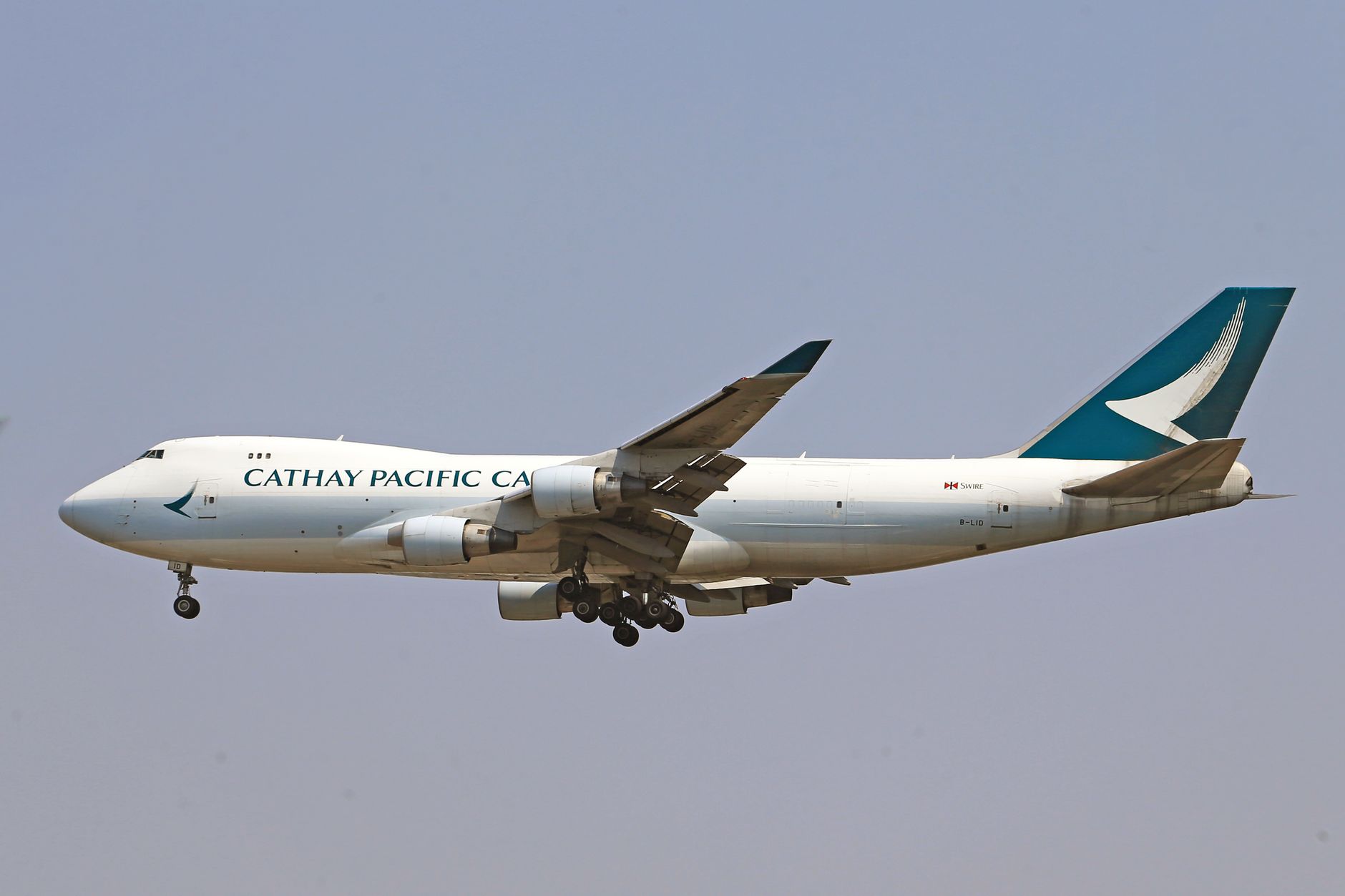
Cathay Cargo Europe freighters are now being routed via India, enhancing operational efficiency and connectivity. This strategic change aims to streamline logistics and improve service delivery in the European market.
Overview of Cathay Cargo’s New Route
Cathay Cargo has recently announced a strategic shift in its operations, introducing a new route for its Europe freighters that will transit through India. This decision is poised to enhance the efficiency of cargo transportation between Asia and Europe, providing a significant boost to the logistics chain.
The new route aims to leverage India’s growing position as a global logistics hub. By routing its Europe freighters through this key location, Cathay Cargo is expected to streamline operations and reduce transit times. This change is not only beneficial for the company but also for businesses relying on timely deliveries of goods.
Key advantages of the new route include:
- Increased capacity: The new routing is anticipated to accommodate a higher volume of cargo, thereby meeting the rising demand in the European market.
- Enhanced connectivity: With India acting as a transit point, Cathay Cargo can offer improved links between various regions, facilitating smoother logistics.
- Cost-effectiveness: The revised route is expected to optimize operational costs, allowing for competitive pricing for customers.
As the logistics landscape continues to evolve, Cathay Cargo’s adaptation to these changes may position it as a leader in cargo transportation. With the introduction of this new routing strategy for its Europe freighters, the company is set to navigate the complexities of global trade more effectively.
Impact on European Freight Services
The decision by Cathay Cargo to route its Europe freighters via India is set to significantly impact the European freight services landscape. This strategic move aims to enhance operational efficiency and reduce transit times for shipments between Asia and Europe.
Industry experts believe that this new routing could provide several advantages:
- Improved Connectivity: By utilizing India as a hub, Cathay Cargo Europe freighters can facilitate smoother connections between key markets, leading to quicker delivery times for businesses dependent on timely freight services.
- Cost-Effectiveness: The new route may allow for reduced operational costs, which could translate into lower shipping rates for customers. This is particularly beneficial as global supply chains continue to recover from disruptions.
- Enhanced Capacity: Utilizing India as a transit point can help manage and increase the cargo capacity on flights, ensuring that more goods can be transported efficiently.
- Adaptability to Market Demand: The flexibility of routing through India enables Cathay Cargo to respond more effectively to fluctuations in market demand, adapting services to meet the needs of their clientele.
As the logistics sector evolves, the introduction of Cathay Cargo Europe freighters via India may set a precedent for other carriers to explore similar routing strategies, ultimately reshaping the competitive landscape of freight services in Europe.
Benefits of Routing via India
The decision to route Cathay Cargo Europe freighters via India presents several key benefits that are attracting the attention of logistics professionals and businesses alike.
One significant advantage is the enhanced transit times. By utilizing India’s strategic geographical location, Cathay Cargo can streamline operations, reducing delays in freight delivery. This efficiency is essential for businesses that depend on timely shipments to maintain their supply chains.
Additionally, routing through India opens up access to a growing market. India’s economy is expanding rapidly, providing opportunities for increased trade and collaboration. This not only benefits Cathay Cargo but also supports businesses looking to tap into new markets.
Furthermore, the infrastructure improvements in Indian airports have bolstered capacity and capability. Modern facilities allow for better handling of cargo, ensuring that shipments arrive in optimal condition. This is particularly important for high-value goods, where quality and care in transport are paramount.
Another noteworthy benefit is the potential for cost savings. Routing through India can lead to lower operational costs due to competitive rates and reduced handling charges. These savings can be passed on to customers, making Cathay Cargo a more attractive option for European freight services.
In summary, the decision to route Cathay Cargo Europe freighters via India offers significant advantages, including improved transit times, access to new markets, advanced infrastructure, and potential cost savings.
Challenges Faced by Cathay Cargo
Cathay Cargo is facing several challenges as it implements its new route for Europe freighters. The decision to route through India has presented both logistical and operational hurdles that the company must navigate to ensure success.
One significant challenge is the increased transit time associated with the new routing. While the intention is to enhance connectivity and efficiency, delays at various points in the supply chain could diminish the advantages of this strategy. Stakeholders are concerned that longer transit times might lead to increased costs for customers and affect overall service reliability.
Additionally, regulatory compliance poses another obstacle. Operating through India means adhering to different customs regulations and potential trade barriers, which could complicate the transportation process. Cathay Cargo must ensure that all shipments meet these regulations to avoid delays and fines.
The competition in the air freight market is also intensifying. As other carriers adapt and enhance their own routes, Cathay Cargo will need to demonstrate the value of its Europe freighters service to retain and attract customers. This includes maintaining service quality and competitive pricing.
Finally, the company must manage the capacity of its fleet effectively. With the shift in routing, ensuring that the available freighter space is utilized optimally will be crucial to the financial viability of the new strategy.
Customer Reactions to the Change
Customer reactions to the recent changes in Cathay Cargo’s Europe freighters routing have been mixed, reflecting a range of concerns and praises. Many customers have expressed enthusiasm over the new direct routes, highlighting the benefits of reduced transit times and increased reliability.
Some key points raised by customers include:
- Time Efficiency: Several clients noted that the routing via India could lead to faster delivery times, which is crucial for time-sensitive shipments.
- Cost Implications: While some customers are optimistic about potential cost savings, others are worried that operational changes might lead to increased rates.
- Service Reliability: There have been positive mentions of Cathay Cargo’s commitment to maintaining high service standards throughout the transition, with assurances that disruptions will be minimized.
- Communication: Customers appreciate the proactive communication from Cathay Cargo regarding the changes, which helps them plan their logistics more effectively.
However, concerns remain about the impact of routing via India on specific cargo types, particularly perishables and high-value goods. Some clients are skeptical about how well these items will fare with the new routing strategy.
Overall, the reactions highlight a cautious optimism among customers as they adapt to the new landscape of Cathay Cargo Europe freighters.
Future of Air Cargo in India
The future of air cargo in India is poised for significant transformation, especially with developments like the routing of Cathay Cargo Europe freighters. This strategic decision reflects a growing recognition of India’s potential as a pivotal hub in global logistics.
As more airlines consider India for their routing needs, several factors are driving this trend:
- Strategic Location: India’s geographical position between Europe and Southeast Asia makes it an ideal stopover for freight operations, reducing transit times and optimizing logistics.
- Infrastructure Development: Significant investments in airport infrastructure and cargo facilities enhance the efficiency and capacity of handling air freight, making it more attractive for international carriers.
- Market Demand: The rapid growth of e-commerce and heightened demand for swift delivery services in India further bolster the air cargo sector, promising lucrative opportunities for airlines.
- Regulatory Improvements: The Indian government’s initiatives to streamline customs and reduce bureaucratic hurdles contribute to a more favorable environment for air cargo operations.
With the introduction of Cathay Cargo Europe freighters, the implications for the industry are profound. The ability to connect markets more efficiently not only benefits airlines but also enhances service quality for businesses reliant on timely deliveries. Furthermore, as competition intensifies, companies are likely to innovate and refine their services, ultimately benefiting consumers and the economy as a whole.
Conclusion on Routing Strategies
In conclusion, Cathay Cargo’s decision to route Europe freighters via India represents a significant shift in its operational strategy. This move is not merely a response to current market demands but also a proactive approach to enhance efficiency and reduce transit times. The potential for increased capacity and the ability to tap into new markets in India can provide a competitive edge in the rapidly evolving air freight sector.
However, there are challenges that come with this new routing strategy. Logistics hurdles, regulatory complexities, and the need for robust infrastructure in India are critical factors that will influence the success of this initiative. Cathay Cargo must navigate these challenges carefully to ensure seamless service delivery.
Customer reactions have been largely positive, with many clients appreciating the improved service offerings and faster delivery times. The strategic routing also allows for optimized cargo handling and better allocation of resources, which are essential for maintaining high service standards.
As the future of air cargo in India looks promising, Cathay Cargo Europe freighters stand to gain significantly from this new routing approach. Continued investment in technology and infrastructure will be vital for maximizing the benefits of this change. Overall, if executed effectively, this strategy could redefine Cathay Cargo’s footprint in the competitive European freight market.
Cathay Cargo Europe freighters have been expanding their routes to meet the growing demand for air freight services. Many industry experts believe that Cathay Cargo Europe freighters represent one of the best options for shipping goods efficiently across the continent.
Photo by Jeffry Surianto on Pexels
Where this came from
Related reading
British Expats Stranded: Worst Visa Law Changes in Australia · Is the Juba Airport reopening worth the wait? · Aer Lingus transatlantic routes: Best New Options for Travel