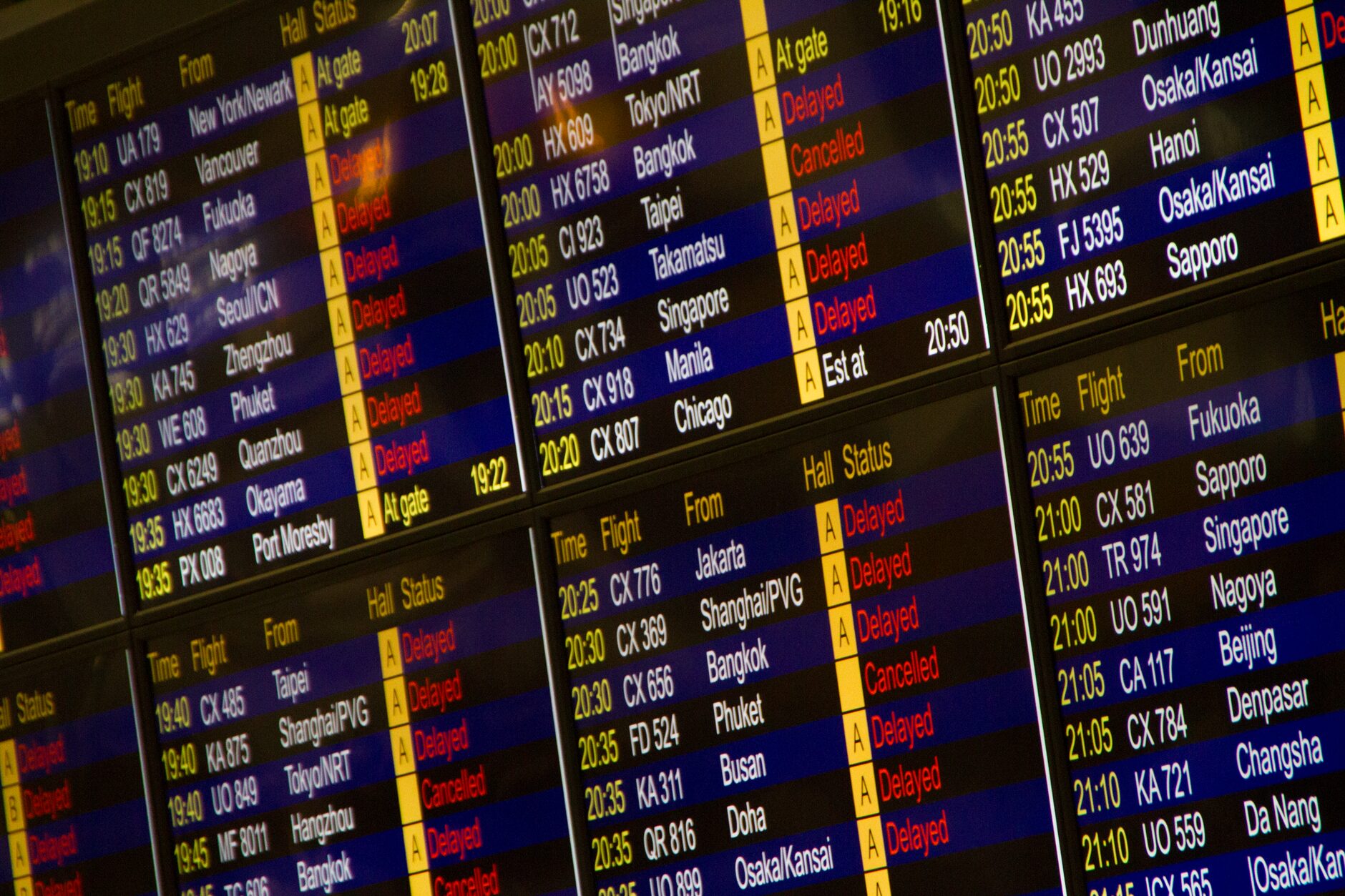
The Taiwan flight proposal is gaining attention after Pakistan’s airspace row. This development could significantly impact travel routes and options for passengers.
Overview of the Taiwan Flight Proposal
The recent Taiwan flight proposal has garnered significant attention in the wake of tensions surrounding Pakistan’s airspace. As travelers seek the most efficient routes amidst changing geopolitical landscapes, this proposal aims to offer a viable alternative for those looking to connect with Taiwan.
Key aspects of the proposal include:
- Direct Flights: The introduction of direct flights from India to Taiwan, reducing travel time and enhancing convenience for passengers.
- Economic Impact: Increased tourism and business opportunities between India and Taiwan, potentially boosting both economies.
- Safety Concerns: A focus on ensuring that flights are routed safely, avoiding any regions of conflict or airspace restrictions.
Supporters of the Taiwan flight proposal argue that it provides a timely solution for travelers who may be facing difficulties due to changes in air traffic routes. However, critics question whether this proposal is the best travel option at this time, given the complexities of international relations and the evolving situation in the region. As discussions continue, the outcome will ultimately shape travel dynamics between these nations.
Impact of Pakistan Airspace Row
The recent Pakistan airspace row has created a significant shift in the aviation landscape, directly impacting travel options in the region. With tensions escalating, several airlines are reevaluating their flight routes, prompting discussions about the Taiwan flight proposal as a viable alternative.
The closure of airspace has forced airlines to divert flights, leading to increased travel times and operational costs. In light of these challenges, the Taiwan flight proposal has gained traction, as it could potentially offer a more efficient route for passengers traveling in and out of Asia.
Key considerations for travelers and airlines include:
- Reduced travel time: The proposed flights aim to shorten the duration of journeys, which could attract more passengers.
- Cost-effectiveness: With rising operational expenses due to detours, a direct route through Taiwan may prove to be more economical.
- Safety and reliability: A stable airspace over Taiwan could assure passengers of safer travel conditions.
As the situation evolves, stakeholders in the aviation industry are closely monitoring the implications of the Pakistan airspace row on future travel options.
Travel Implications for India
The recent Taiwan flight proposal has sparked significant interest among Indian travelers, especially in light of the ongoing Pakistan airspace row. As the aviation landscape evolves, many are evaluating the implications for travel to Taiwan and beyond.
Travelers from India considering the Taiwan flight proposal should be aware of several factors:
- Cost-Effectiveness: With the potential for reduced flight times and operating costs, this proposal may offer a more budget-friendly option for travelers.
- Safety Concerns: While the Taiwan flight proposal is promising, travelers should remain informed about regional geopolitical tensions that may affect flight safety.
- Convenience: Direct flights to Taiwan could simplify itineraries, making it easier for tourists and business travelers alike to reach their destinations without lengthy layovers.
- Tourism Opportunities: Enhanced connectivity could lead to an increase in tourism, allowing Indian travelers to explore Taiwan’s rich culture and stunning landscapes.
As discussions around the Taiwan flight proposal continue, it remains crucial for travelers to stay updated on developments that may influence their travel plans.
Expert Opinions on Flight Options
As the Taiwan flight proposal garners attention following the Pakistan airspace row, experts are weighing in on the viability of this new travel option. Many believe that rerouting flights through Taiwan could enhance connectivity for travelers in the region.
Dr. Anjali Rao, an aviation analyst, notes, “The Taiwan flight proposal presents an interesting alternative for airlines and passengers alike. It could potentially reduce travel time and offer more direct routes.”
However, others express caution. Professor Rajiv Mehta, a geopolitical expert, emphasizes, “While the proposal sounds promising, we must consider the diplomatic sensitivities involved. How this will affect air traffic regulations remains to be seen.”
Moreover, Lisa Chen, a travel consultant, highlights the cost factor: “Travelers should evaluate the ticket prices and additional layover times. It’s essential to compare this option with existing routes to ensure it’s the best deal.”
Overall, the consensus among experts is that while the Taiwan flight proposal is a noteworthy development in regional travel, its success will hinge on various logistical, diplomatic, and economic considerations.
Comparing Travel Routes
The recent Taiwan flight proposal has sparked discussions regarding the most efficient travel routes for passengers. Understanding the available options is essential for travelers seeking convenience and cost-effectiveness.
One primary route involves flying directly from major Indian cities to Taiwan. This option is appealing as it minimizes travel time and offers a direct connection. However, an alternative route via Southeast Asia, such as through Singapore or Bangkok, can sometimes present cheaper fares, albeit with longer layovers.
Key factors influencing the choice between these routes include:
- Flight Duration: Direct flights are generally faster but may be limited in availability.
- Cost: Indirect flights may provide lower ticket prices, but travelers must weigh this against longer travel times.
- Convenience: Direct flights offer a hassle-free experience, while layovers can complicate travel plans.
Ultimately, the decision rests on individual preferences and priorities. With the Taiwan flight proposal gaining traction, travelers are encouraged to evaluate both routes carefully to find the best option for their needs.
Future of Air Travel in Asia
The future of air travel in Asia is undergoing significant changes, especially in the wake of the recent Taiwan flight proposal. As airlines reevaluate their routes and strategies, several factors are shaping the evolving landscape of air travel in the region.
With increasing demand for direct flights to Taiwan, airlines are exploring new options to enhance connectivity. The Taiwan flight proposal has garnered attention not only for its potential economic benefits but also for its implications on regional partnerships.
- Increased Competition: As more airlines consider direct routes to Taiwan, travelers may benefit from lower fares and improved service.
- Environmental Considerations: Airlines are also focusing on sustainability, seeking to minimize their carbon footprints while still meeting passenger demands.
- Technological Advancements: Innovations in aircraft design and air traffic management could lead to more efficient flying routes across Asia.
In summary, the Taiwan flight proposal represents not just a new travel option but a reflection of the broader trends in air travel, highlighting the need for adaptability in an ever-changing aviation environment.
Conclusion on Taiwan Flight Proposal
In conclusion, the Taiwan flight proposal presents a unique opportunity for travelers seeking efficient routes in Asia, particularly in light of the recent Pakistan airspace row. The proposal has garnered attention for its potential to streamline connections and reduce travel time, making it an attractive option for passengers. However, as with any new travel initiative, several factors must be considered.
First, the safety and reliability of the new routes will be crucial for gaining the trust of travelers. Airlines must ensure that they are well-prepared to handle increased demand and provide high-quality service. Additionally, fare structures and competition among carriers will play a significant role in determining the feasibility of the Taiwan flight proposal.
Moreover, geopolitical tensions in the region could influence traveler sentiment and patterns. While some may view the proposal positively, others may have reservations based on the political climate. Ultimately, the success of the Taiwan flight proposal will depend on a combination of operational efficiency, competitive pricing, and the ability to navigate the complexities of regional relations.
As the aviation landscape continues to evolve, stakeholders must remain agile and responsive to passenger needs and concerns.