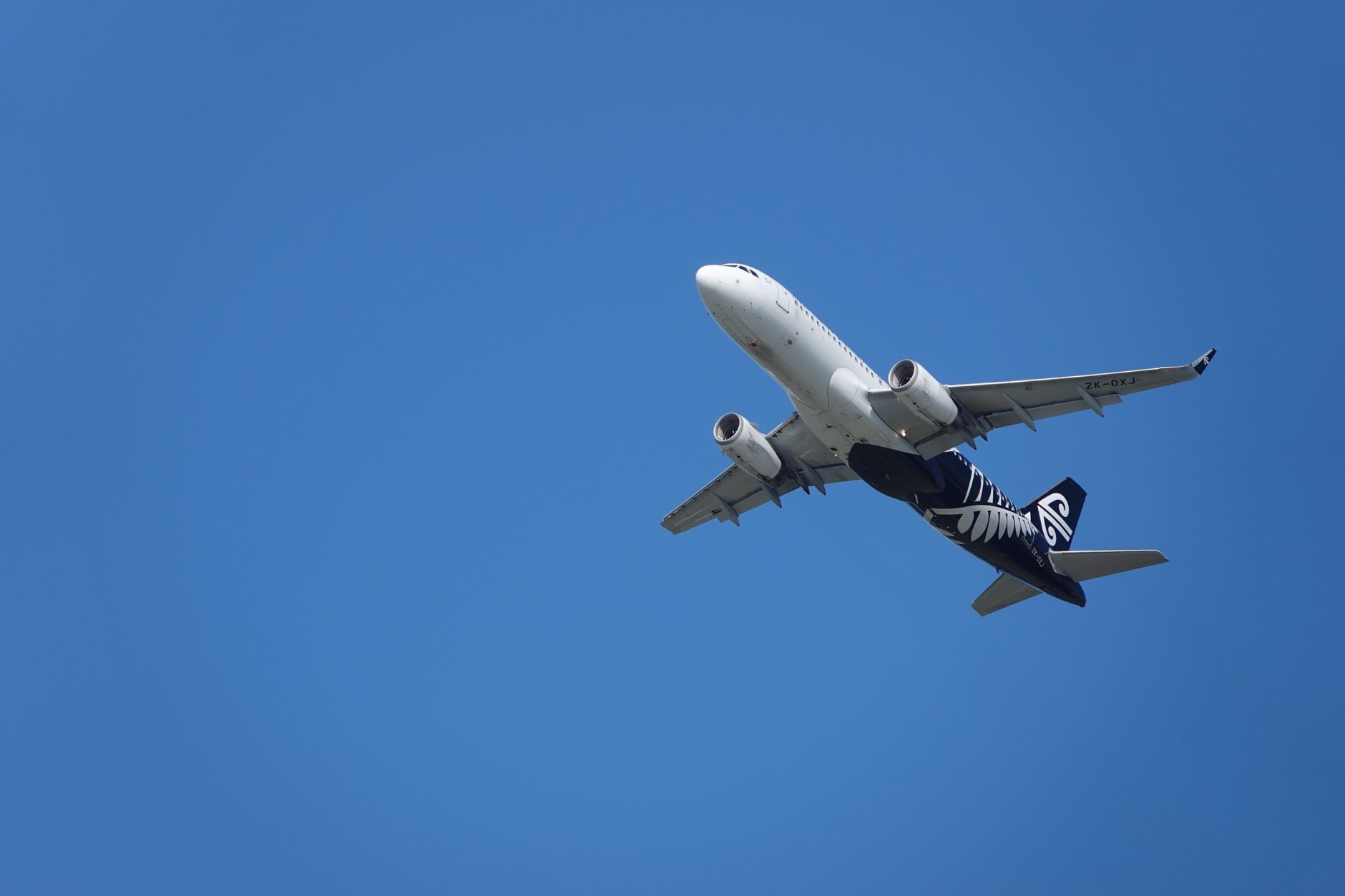
New airline routes are transforming the travel landscape. This article explores the latest updates in global aviation, including airport chaos and significant changes.
Overview of New Airline Routes
In recent months, the aviation industry has witnessed a surge in new airline routes, enhancing connectivity and offering travelers more options than ever before. Airlines are responding to the increasing demand for travel by launching direct flights to both popular and emerging destinations.
This expansion not only benefits passengers but also stimulates local economies and tourism in the regions served. Travelers can expect:
- Increased convenience with non-stop flights to key locations.
- Competitive fares as airlines vie for customer attention.
- More frequent flights to popular holiday spots, reducing wait times.
As airlines adjust their strategies, the introduction of these routes marks a significant shift in the travel landscape, promising a more efficient and enjoyable flying experience.
Impact of Airport Chaos on Travelers
The recent surge in new airline routes has brought both opportunities and challenges for travelers. As airports strive to accommodate these changes, chaos has become a common sight, impacting the overall travel experience.
Travelers are facing longer wait times, crowded terminals, and increased flight delays. The ripple effects of this airport chaos can be detrimental, leading to missed connections and added stress.
To navigate these hurdles, travelers are encouraged to:
- Arrive early to allow ample time for check-in and security.
- Stay informed about flight statuses through airline apps and notifications.
- Consider alternative routes to avoid congested airports.
By adapting to the evolving landscape, travelers can make the most of the benefits offered by new airline routes while minimizing the impact of airport chaos.
Key Changes in Global Aviation
The global aviation landscape is undergoing significant transformations, driven by the introduction of new airline routes that cater to evolving traveler needs. These changes are not only enhancing connectivity but also improving overall travel experiences.
Key changes in global aviation include:
- Increased Frequency: Many airlines are expanding their schedules to provide more options for travelers, making it easier to find flights that fit their plans.
- New Destinations: Carriers are launching routes to previously underserved locations, opening up exciting travel possibilities.
- Competitive Pricing: With more airlines entering the market, travelers can benefit from lower fares and better deals.
- Enhanced Services: Airlines are focusing on improving in-flight services, ensuring a more comfortable journey for passengers.
These developments highlight the positive changes occurring in the industry, benefiting both travelers and airlines alike.
How New Routes Benefit Travelers
The introduction of new airline routes offers significant benefits for travelers, enhancing convenience and accessibility. With airlines expanding their networks, passengers can enjoy:
- Increased Options: More flight paths mean travelers can select from a wider array of destinations, making it easier to plan trips.
- Competitive Fares: As airlines compete on these new routes, travelers often benefit from lower ticket prices.
- Improved Connectivity: New routes can facilitate smoother connections, reducing layover times and enhancing overall travel efficiency.
- Access to Underserved Regions: Many new routes target destinations previously without direct flights, opening up opportunities for exploration.
Overall, the emergence of new airline routes is a positive development, providing travelers with better choices and enhancing their travel experiences.
Challenges Faced by Airlines
As the aviation industry adapts to the increasing demand for travel, airlines face several challenges in implementing new airline routes. One major hurdle is the ongoing labor shortages, which have led to delays in staffing and operational capabilities. Additionally, fluctuating fuel prices create uncertainty in route profitability, making it difficult for airlines to plan effectively.
Regulatory hurdles also pose a significant challenge. Airlines must navigate complex international regulations and secure the necessary approvals to launch new routes. Weather disruptions and airport congestion further complicate the landscape, leading to potential delays and cancellations that can frustrate travelers.
Despite these obstacles, airlines continue to innovate and strive to meet passenger needs, recognizing that establishing new routes is essential for growth and enhancing the travel experience.
Future of Air Travel in India
The future of air travel in India looks promising, particularly with the introduction of new airline routes that aim to enhance connectivity across the nation. The Indian aviation sector is experiencing significant growth, driven by an increasing demand for air travel and government initiatives to expand airport infrastructure.
Travelers can expect:
- Improved Accessibility: New routes are being launched to connect tier-2 and tier-3 cities, making air travel more accessible to a broader population.
- Competitive Pricing: With more airlines entering the market, fare competition is likely to benefit consumers through lower ticket prices.
- Enhanced Travel Experience: Airlines are investing in better services and modern fleets to attract passengers.
As new airline routes emerge, they will play a crucial role in shaping the future of air travel in India, ultimately enhancing the travel experience for millions.
Photo by Travis Ireland on Pexels