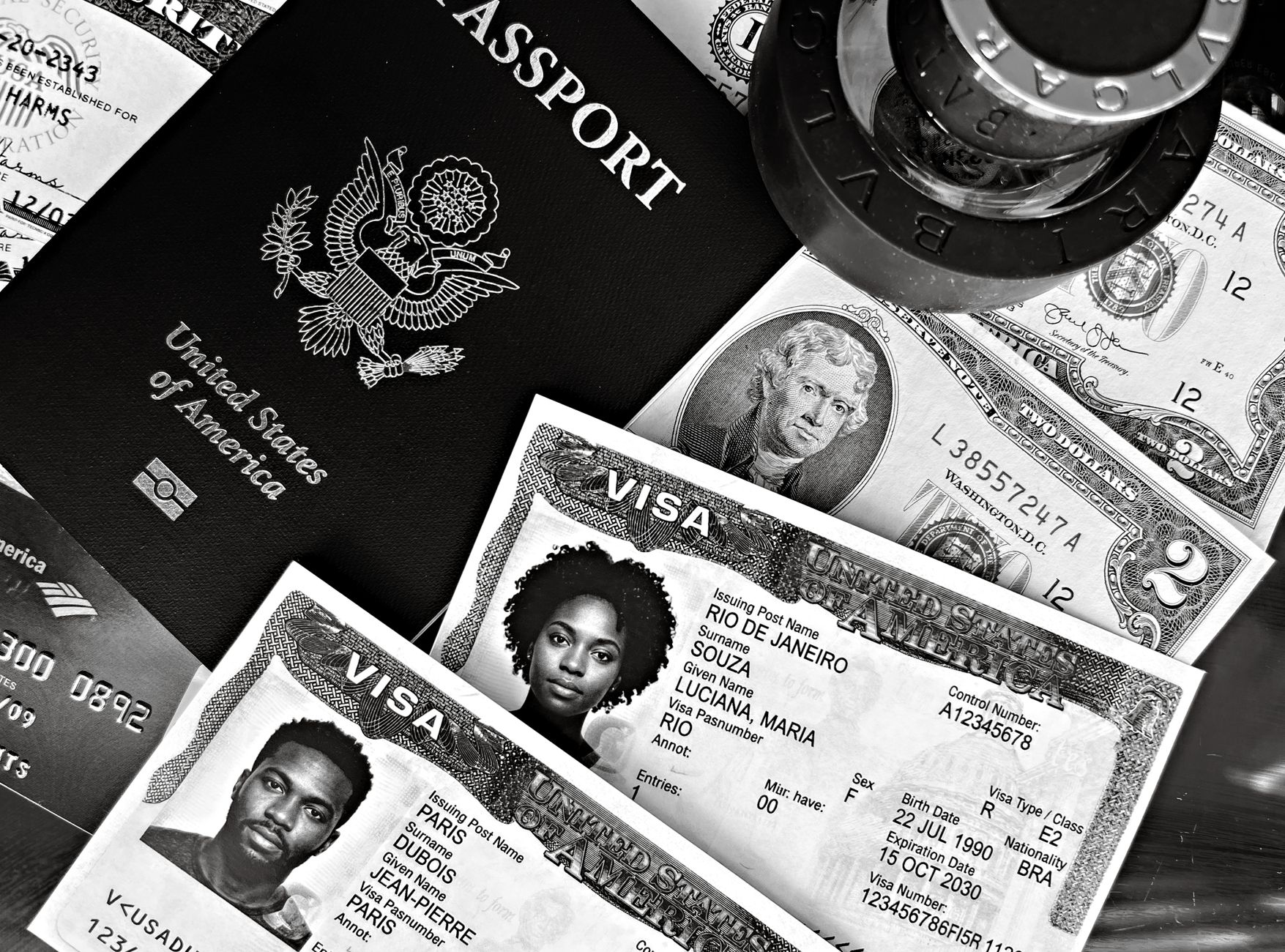
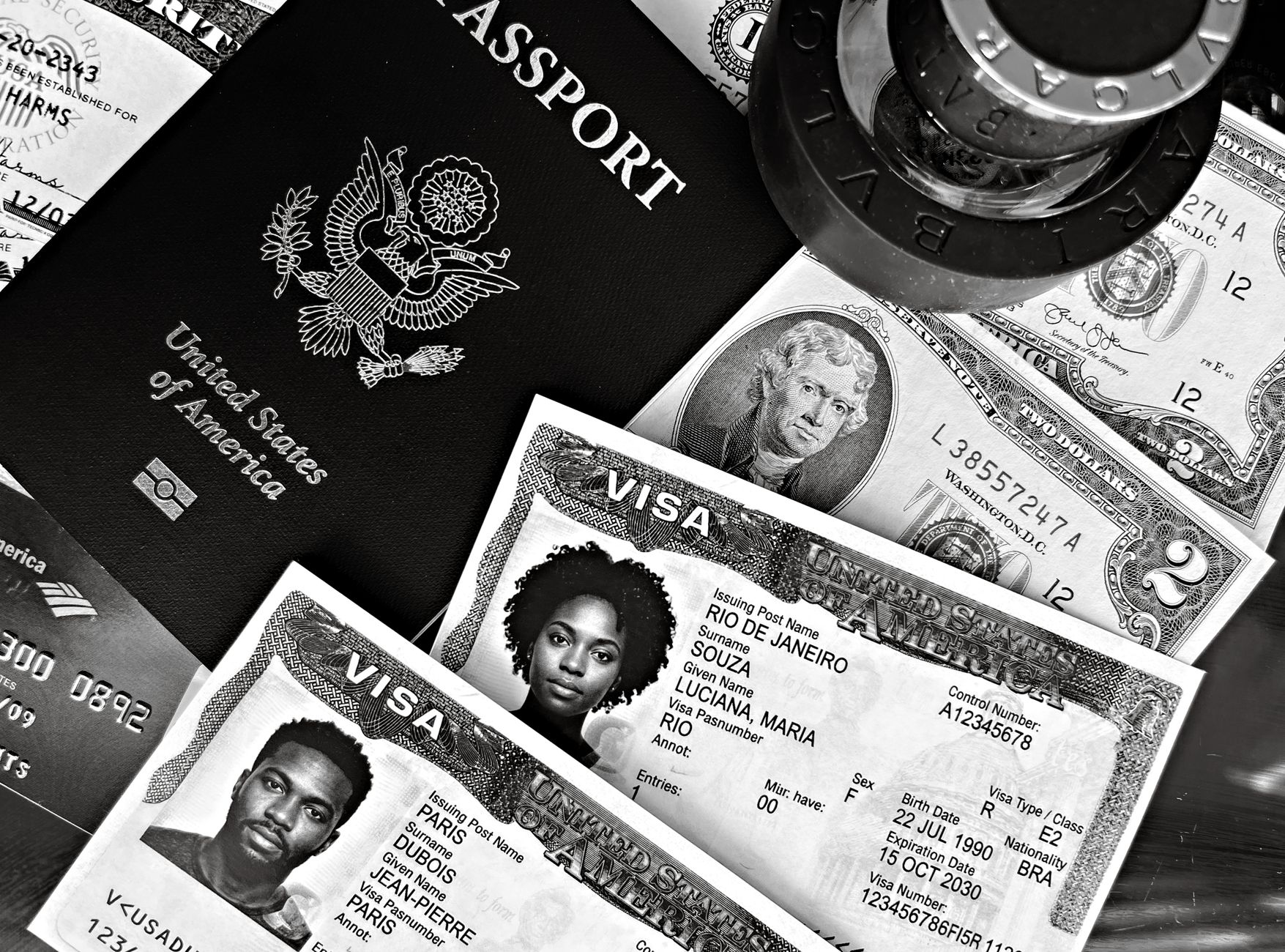
H-1B visa workers are increasingly abandoning American tech jobs due to frustration with the current immigration system and workplace conditions. This shift raises concerns about the future of the tech industry in the U.S.
Reasons Behind H-1B Visa Workers Leaving
The recent trend of H-1B visa workers leaving their jobs in American tech companies has raised significant concerns among industry leaders. Various factors contribute to this exodus, highlighting the challenges faced by these skilled professionals.
- Job Insecurity: Many H-1B visa workers report a lack of job stability, with frequent layoffs in the tech sector leaving them feeling vulnerable.
- Workplace Environment: Reports indicate that some tech companies foster a toxic workplace culture, making it difficult for H-1B visa workers to thrive.
- Limited Career Advancement: A perceived lack of opportunities for career growth often discourages these workers from staying long-term.
- Compensation Issues: Many H-1B visa workers feel underpaid compared to their peers, leading to dissatisfaction and prompting them to seek better opportunities elsewhere.
- Remote Work Opportunities: The rise of remote work options worldwide has allowed skilled workers to consider jobs in other countries, further contributing to their exit.
As H-1B visa workers reassess their positions, these factors play a critical role in the ongoing trend of professionals leaving American tech jobs for better prospects abroad.
Impact on the American Tech Industry
The departure of H-1B visa workers is having a significant impact on the American tech industry. As companies strive to fill skill gaps, the loss of these talented individuals can hinder innovation and productivity.
Many tech firms rely on H-1B visa workers for their expertise in critical areas such as software development, data analysis, and cybersecurity. The exodus of these professionals may lead to:
- Increased competition for talent: With fewer skilled workers available, companies may face challenges in attracting and retaining top talent, leading to a potential slowdown in technological advancements.
- Higher costs: As the demand for local talent increases, companies may need to offer higher salaries and benefits to attract U.S. workers, which can strain budgets and influence hiring practices.
- Project delays: The loss of H-1B visa workers can result in project delays or cancellations, impacting product launches and overall business performance.
Moreover, the ongoing trend of H-1B visa workers leaving could lead to a long-term decline in the industry’s global competitiveness, as companies struggle to maintain their edge in an increasingly technology-driven world.
Challenges Faced by H-1B Visa Holders
H-1B visa workers are encountering a myriad of challenges that contribute to their growing dissatisfaction and eventual departure from the American tech industry. These hurdles extend beyond mere job responsibilities, impacting both their personal and professional lives.
- Job Insecurity: Many H-1B visa holders face uncertainty regarding their employment status, particularly due to the fluctuating immigration policies.
- Lack of Career Advancement: Limited opportunities for growth and promotion often leave these workers feeling stagnant in their careers.
- Workplace Discrimination: Instances of bias and discrimination can create a toxic work environment, further motivating H-1B visa workers to seek employment elsewhere.
- Long Wait Times for Green Cards: The protracted process to secure permanent residency is a significant source of frustration, as it leaves many workers in a state of limbo.
- High Cost of Living: Rising living expenses in major tech hubs can strain the finances of H-1B visa holders, making it difficult to maintain a decent quality of life.
As these challenges exacerbate, many H-1B visa workers are reevaluating their commitment to American tech jobs, leading to an increasing trend of exodus from the industry.
Future of Immigration Policies
The future of immigration policies in the United States is a topic of increasing concern, particularly for H-1B visa workers. As frustrations mount among these skilled professionals, changes to immigration rules could significantly influence their decisions to remain in the country or seek opportunities elsewhere.
Recent discussions among policymakers suggest a potential shift towards more inclusive immigration measures. Advocates argue that easing restrictions could enhance the ability of H-1B visa workers to contribute to the American economy, especially in the tech sector, which heavily relies on their expertise.
However, there are also fears that any proposed changes may not adequately address the underlying issues faced by H-1B visa holders. Some key factors to consider include:
- Increased scrutiny of visa applications that may deter potential talent from applying.
- Long processing times that leave workers in uncertainty regarding their employment status.
- Alternatives to H-1B programs that could lure skilled workers to other countries.
The outcome of these discussions will likely shape the landscape for H-1B visa workers and the broader implications for the tech industry in the years to come.
Responses from Tech Companies
In light of the growing discontent among H-1B visa workers, tech companies are beginning to respond to the changing landscape. Several organizations have expressed concern over the exodus of these skilled employees, acknowledging that their departure could lead to significant skill shortages in the industry.
Many companies are taking proactive measures to retain their H-1B visa workers. Some of the strategies include:
- Increased Salary Packages: Firms are offering competitive salaries to match the rising living costs and market demands.
- Enhanced Job Benefits: Organizations are improving their benefits, including better health insurance, flexible working hours, and remote work options.
- Career Development Opportunities: Companies are investing in training programs and mentorship to provide H-1B visa workers with clear pathways for advancement.
Despite these efforts, some tech leaders argue that more needs to be done at the policy level to address the underlying issues faced by H-1B visa workers. They emphasize the importance of a supportive environment that not only attracts but also retains these essential employees. The ongoing debate highlights the critical role that these workers play in the American tech industry.