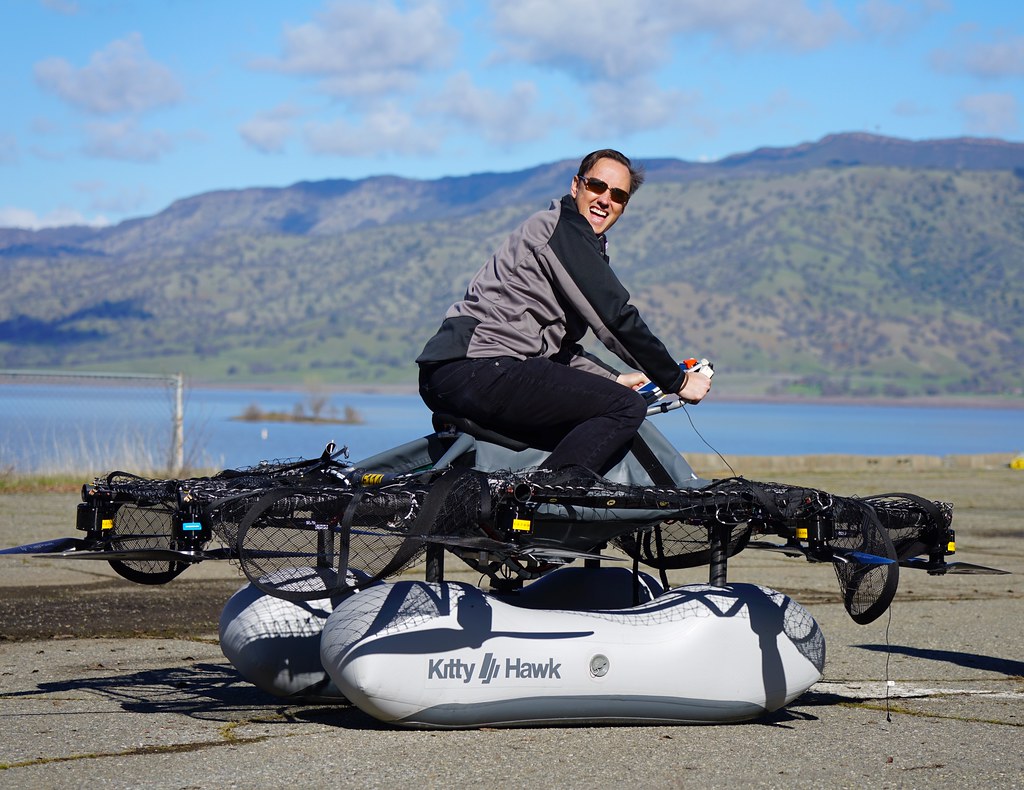
Drone Certification is becoming increasingly important as ARAI opens new UAS testing routes. This development is set to enhance the safety and efficiency of drone operations in India.
What is Drone Certification?
Drone certification refers to the process of validating Unmanned Aerial Systems (UAS) to ensure they meet specific safety and performance standards. This certification is crucial for manufacturers, operators, and regulatory bodies to guarantee that drones can operate safely in various environments.
With the increasing use of drones in industries such as agriculture, surveillance, and delivery services, the demand for reliable drone certification has risen significantly. The procedure typically involves rigorous testing and evaluation of the drone’s design, technology, and operational capabilities.
Moreover, drone certification helps to build trust among users and the public, ensuring that UAS technology can be safely integrated into everyday life. Organizations like the Automotive Research Association of India (ARAI) are paving the way by opening new testing routes specifically for UAS, fostering innovation and compliance within the industry.
Ultimately, effective drone certification not only enhances safety but also promotes growth in the rapidly evolving drone market.
Importance of UAS Testing
The significance of UAS testing cannot be overstated in the rapidly evolving field of drone certification. As the demand for unmanned aerial systems increases, ensuring their safety and reliability becomes paramount.
UAS testing plays a crucial role in:
- Safety Assurance: Rigorous testing helps to identify potential flaws and mitigate risks associated with drone operations.
- Regulatory Compliance: Adhering to established guidelines ensures that drones meet the necessary standards for commercial use.
- Performance Evaluation: Comprehensive assessments provide insights into the operational capabilities and limitations of various drone models.
- Public Confidence: Transparent testing processes foster trust among consumers and businesses, encouraging wider adoption of drone technology.
Ultimately, robust UAS testing is the best proven path for effective drone certification, paving the way for innovation while prioritizing safety and performance.
ARAI’s New Testing Routes Explained
The Automotive Research Association of India (ARAI) has recently unveiled new testing routes aimed at enhancing the drone certification process for Unmanned Aerial Systems (UAS). These routes are designed to provide comprehensive testing environments that simulate real-world conditions.
Key features of the new testing routes include:
- Varied Terrain: The routes incorporate diverse landscapes, including urban, rural, and industrial settings.
- Real-time Monitoring: Advanced tracking systems will monitor UAS performance throughout the testing phase.
- Safety Protocols: Enhanced safety measures ensure that both the UAS and surrounding environments are protected during tests.
With these developments, ARAI aims to streamline the drone certification process, ultimately ensuring that manufacturers meet stringent operational standards before their products enter the market. This initiative is a significant step towards fostering innovation in the UAS sector.
Impact on Drone Operators
The recent introduction of drone certification processes is set to significantly impact drone operators across the industry. With the establishment of standardized testing routes, operators can now ensure their unmanned aerial systems (UAS) meet stringent safety and performance criteria. This is essential for enhancing operational credibility and regulatory compliance.
As operators navigate the evolving landscape, they will benefit from:
- Improved Safety: Certified drones are less likely to malfunction, reducing risks during operations.
- Increased Trust: Certification fosters confidence among clients and partners, knowing their projects are handled by qualified technology.
- Access to Opportunities: Many organizations require drone certification for service contracts, expanding business prospects for certified operators.
In summary, the move towards comprehensive drone certification and testing is a positive step for the industry, paving the way for safer and more reliable UAS operations.
Future of Drone Regulations in India
The future of drone regulations in India appears promising as the government continues to streamline the process for drone certification. With the expansion of testing facilities and the introduction of new guidelines, regulatory bodies are focusing on enhancing safety and efficiency in the Unmanned Aerial System (UAS) sector.
As the demand for drone technology grows, the Indian government aims to create a robust framework that supports innovation while ensuring compliance with safety standards. Key developments include:
- Increased Testing Facilities: More UAS testing routes are being established to accommodate various types of drone operations.
- Collaborative Efforts: Partnerships between government and industry stakeholders are fostering a regulatory environment conducive to growth.
- Focus on Safety: Emphasis on rigorous testing protocols to ensure that all certified drones meet high safety standards.
These initiatives are expected to pave the way for a dynamic and responsible drone industry in India.
How to Get Certified
Obtaining a drone certification is crucial for both manufacturers and operators looking to ensure safety and compliance in their operations. The process typically involves several key steps:
- Understand the Requirements: Familiarize yourself with the specific regulations and standards set by the aviation authority in your region.
- Prepare Documentation: Gather necessary documents, including design specifications, operational manuals, and safety protocols.
- Engage with Testing Authorities: Collaborate with accredited testing agencies like ARAI to access new UAS testing routes and facilities.
- Conduct Pre-Certification Tests: Perform rigorous testing to ensure the drone meets all required safety and performance standards.
- Submit for Evaluation: Once all tests are completed, submit your drone and documentation for official evaluation.
- Receive Certification: Upon successful evaluation, your drone will receive the certification needed for legal operation.
Following these steps can streamline the pathway to certification and enhance the reliability of drone operations.
Challenges in UAS Testing
As the drone industry continues to evolve, challenges in UAS testing become increasingly prominent. One of the primary hurdles is ensuring that the testing protocols align with rapidly changing technologies. The pace of innovation often outstrips regulatory frameworks, creating a gap that can hinder effective drone certification.
Additionally, the lack of standardized testing procedures across different regions leads to inconsistencies in certification processes. This can result in confusion for manufacturers and operators alike, complicating their path to compliance. Furthermore, the growing concern over safety and privacy issues puts additional pressure on regulatory bodies to create stringent testing requirements.
Drone operators must also navigate the complexities of understanding and meeting these evolving standards. The interplay between technological advancements and regulatory measures will be crucial in shaping the future landscape of UAS testing and drone certification.
Ultimately, addressing these challenges is vital for fostering a secure and efficient drone ecosystem.
Conclusion and Next Steps
In conclusion, drone certification is essential for ensuring safety, reliability, and compliance within the rapidly evolving UAS industry. As we have explored, the ARAI’s new testing routes pave the way for enhanced evaluation processes, ultimately benefiting drone operators and manufacturers alike.
For those looking to get certified, it is crucial to stay informed about the latest regulations and testing requirements.
- Understand the specific criteria set by regulatory bodies.
- Engage with testing organizations to facilitate the certification process.
- Prepare for potential challenges, including technical evaluations and compliance checks.
As the landscape of drone regulations continues to evolve, staying proactive and adaptable will be key for operators. Emphasizing the importance of drone certification will not only enhance operational safety but also foster innovation within the industry.
By jurvetson via Openverse
References
Related reading
Luxury lounge Manchester Airport: Best Proven Experience · Air India passengers stranded: What are the real reasons? · Australian student visa refusals: Worst record high revealed