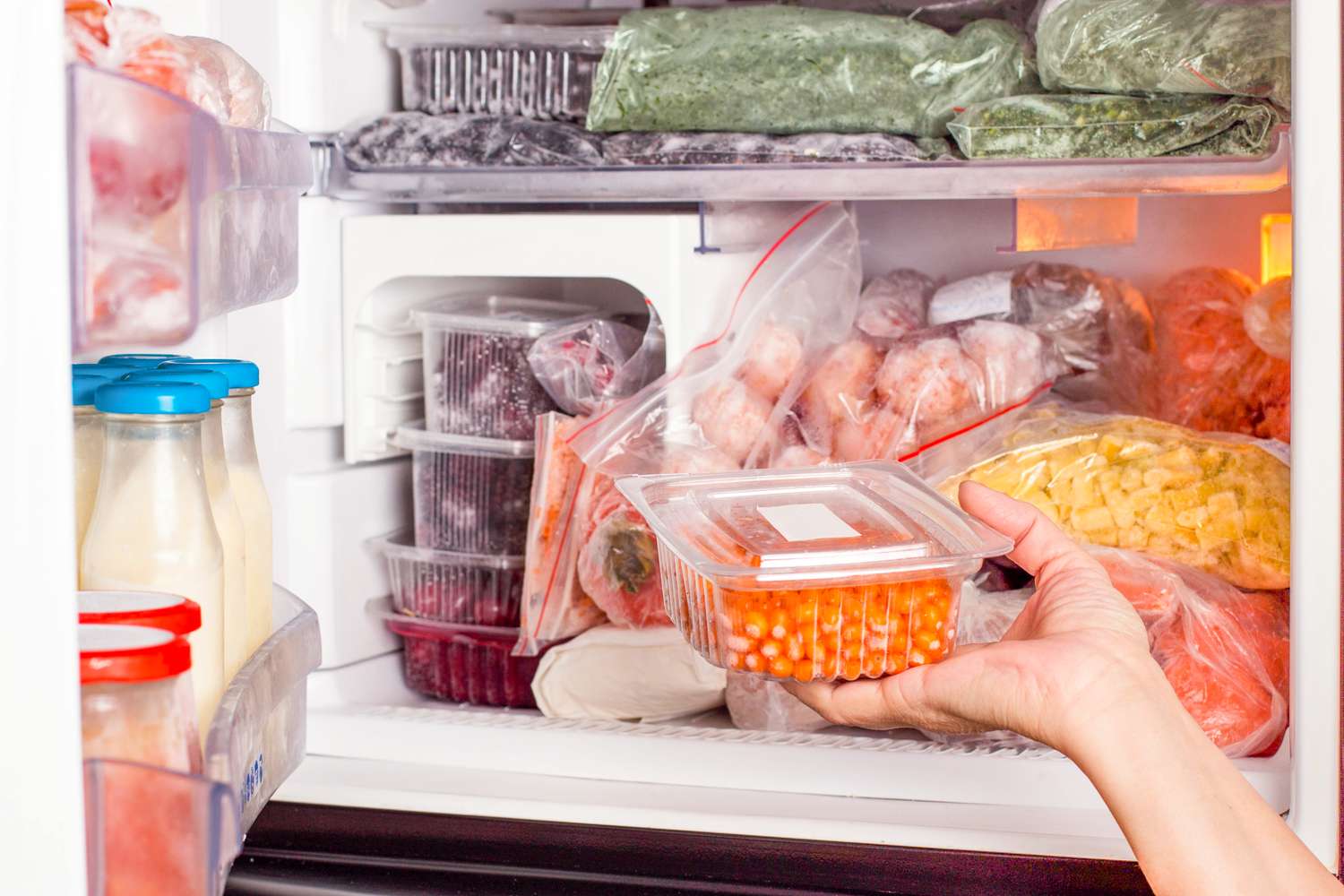
On a trip with several stops, buy frozen food at a point that lets you take it promptly to suitable storage. Plan the route before shopping, prepare an appropriate way to keep groceries cold and reassess if delays change the day. The most convenient store is not always the best final stop if the food will spend too long waiting through other errands.
Put the cold purchase at the right point in the route
Separate the day’s fixed appointments from flexible errands. A scheduled pickup or meeting may determine where you need to be at a certain time, while a household purchase can happen earlier. Place the frozen-food shop after the stops that would otherwise leave groceries waiting. The route should reflect the needs of the food as well as the distance between places.
Think through the journey after checkout. A short drive home is different from a trip that includes a queue, a visit and another store. Walking, transit and driving each have their own practical constraints, but the planning question remains the same: when will the frozen food reach appropriate storage? Include the parts you cannot control as well as the ones you can.
Keep a change of plan available. If an earlier errand runs late, the frozen purchase may belong on another day. Buying it anyway because it was written on the list can create a handling problem. A grocery list is a plan you can revise, especially when the product needs conditions the rest of the trip no longer supports.
Check the specific item before making a dedicated stop. A store may carry a brand without having the variety you want. If the dinner depends on a particular filling, confirm that with the retailer ahead of the trip. Otherwise you may spend time searching or add a second store after already buying frozen groceries.
For a short stay away from home, establish the same endpoint before shopping. Confirm that the accommodation has usable frozen storage and that you can prepare the product there according to its directions. A kitchenette described in a listing may not include every appliance or utensil you expect. The grocery route should end at a place capable of storing the purchase properly.
Prepare a suitable way to carry it
Choose transport equipment appropriate to the trip and the food, and use it as intended. An insulated carrier may be part of the plan, but the carrier’s name alone does not prove that groceries will remain at suitable temperatures through an extended itinerary. Consider the necessary cold sources, the amount carried and the expected journey rather than treating a bag as unlimited protection.
The FDA advises keeping a refrigerator at or below 40°F and a freezer at or below 0°F. It also advises refrigerating or freezing perishables within two hours, or within one hour when the outside temperature exceeds 90°F. Those limits make prompt handling important. They should not be used as a target for how long to keep shopping after a frozen purchase.
Keep the food’s own instructions in view. Holy Perogy products are sold frozen and uncooked and should be kept frozen until prepared according to the package. Plan transport to support that requirement. Do not assume a change in condition during the trip can be resolved through a guessed thawing or refreezing method later.
Pack so the groceries can be handled without unnecessary delays. Keep the frozen purchase identifiable and avoid burying it beneath unrelated items you must sort first. If another person carries part of the shopping, tell them which food needs prompt storage. Shared errands work better when both people understand what happens immediately on arrival.
Allow for practical interruptions. Parking, a delayed ride or an unexpected checkout line can alter the trip. If the plan depended on everything going perfectly, revise it before buying. A shorter final shopping list may be more manageable than attempting a full grocery run at the end of an already crowded day.
Make putting food away the first task at home
Prepare freezer space before leaving when possible. Moving several unidentified containers after arriving with frozen groceries adds avoidable delay. Know where the purchase will go and make sure the storage conditions are suitable. This applies at home and in a temporary kitchen: an available compartment still needs to be functioning appropriately.
Use Holy Perogy’s local guide to the Bronx to identify possible shopping stops only after considering that endpoint. If Kickin’ Jalapeño is the intended purchase, note its full name and potato, cheddar and jalapeño filling before contacting a retailer. A precise request can keep the final food stop focused.
Put frozen and other perishable groceries away before unpacking nonfood purchases or starting unrelated tasks. Keep the original package information attached to the food. If something about its condition or handling is uncertain, resolve that using appropriate guidance rather than placing it in the freezer and assuming the question has disappeared.
Then revisit the route if necessary. If the grocery stop repeatedly becomes difficult to fit, separate it from the longer errand day or choose a different sequence. The best plan is one you can carry out reliably, not merely the route with the fewest lines on a map.
Choose the trip that ends with groceries promptly stored. Saving a small detour is less useful than arriving with food whose handling matched the requirements from the freezer aisle to your own freezer.
