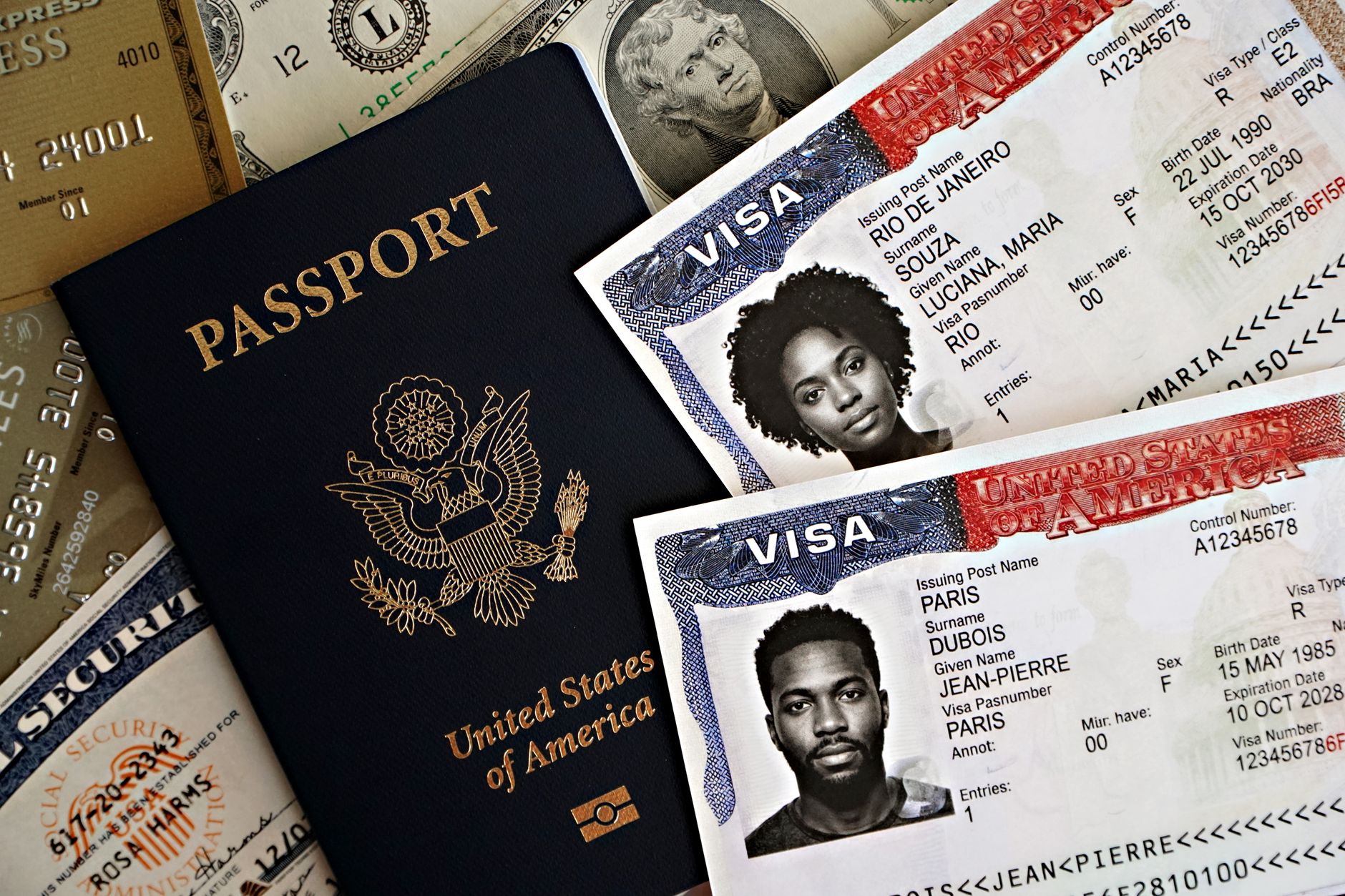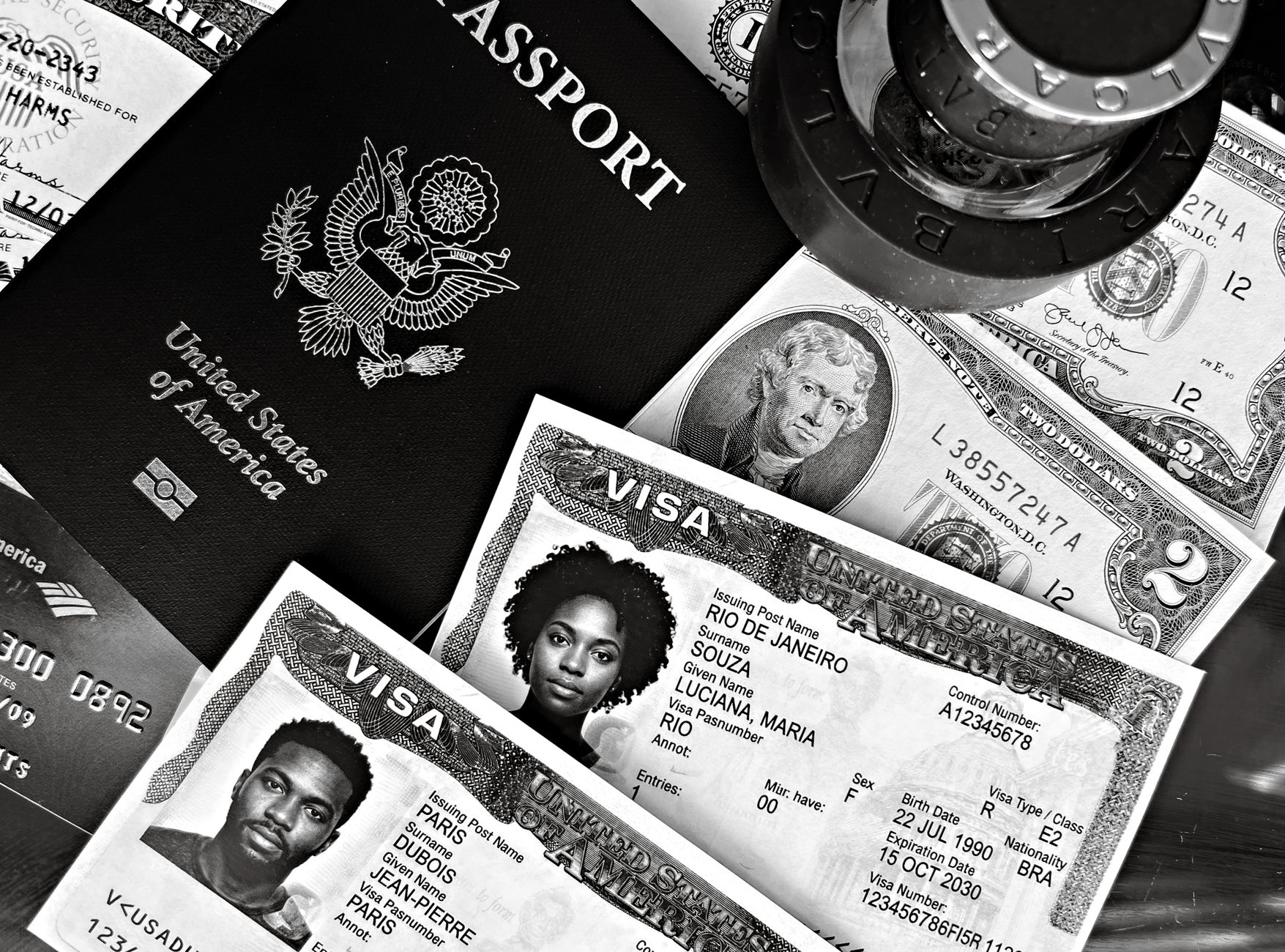
birth tourism visa restrictions are now a pressing issue following the US announcement. This new policy aims to target networks facilitating birth tourism, raising concerns for many families.
Understanding Birth Tourism
Birth tourism refers to the practice of traveling to another country to give birth, allowing the child to obtain citizenship in that nation. In recent years, the United States has seen a significant increase in birth tourism, particularly from countries where citizenship laws are more lenient. As a response, the US government has introduced birth tourism visa restrictions aimed at curbing this trend.
These new regulations target individuals and networks that facilitate such travel, raising concerns about the potential impacts on families seeking better opportunities for their children. Critics argue that these restrictions may disproportionately affect low-income families who rely on this pathway to secure a better future. Furthermore, the implications extend beyond immigration policy, as they touch on broader issues of healthcare access and social equity.
Understanding birth tourism and its implications is crucial in assessing the overall effects of these restrictions on society.
New Visa Restrictions Explained
The recent announcement of birth tourism visa restrictions by the U.S. government aims to curb the growing trend of individuals traveling to the country specifically to give birth. These restrictions target networks that facilitate this practice, which allows foreign nationals to obtain U.S. citizenship for their children.
The new regulations will significantly impact several groups, including:
- Expectant mothers who planned to travel for the sole purpose of giving birth in the U.S.
- Agencies that promote birth tourism services and packages.
- Healthcare providers who cater specifically to this demographic.
As the restrictions take effect, many are left wondering how this will affect both the families seeking this opportunity and the broader implications for immigration policy.
Who Will Be Affected by These Changes?
The recent birth tourism visa restrictions are poised to impact various groups significantly. Individuals considering travel to the United States to give birth, particularly from countries with high rates of birth tourism, will face increased scrutiny and potential denial of visas. Expecting parents from nations where birth tourism is prevalent may find it more challenging to secure travel documents.
Moreover, healthcare providers and facilities that cater to foreign nationals seeking to deliver their babies in the U.S. may also feel the consequences. These new regulations could lead to a decline in patients, affecting local economies that rely on this niche market.
Additionally, families that have relied on birth tourism as a means of obtaining U.S. citizenship for their children will need to explore alternative options, complicating their plans and potentially leading to increased uncertainty.
Implications for Families
The recent birth tourism visa restrictions have significant implications for families considering this option. Many expectant parents, particularly from abroad, may face challenges in accessing healthcare and safe delivery options in the United States. This can lead to increased anxiety and uncertainty during a critical time.
Families may need to explore alternative solutions, such as traveling to other countries with more lenient policies. This shift could also impact the demographics of children born abroad, as fewer families may opt for U.S. citizenship through birth.
Moreover, the emotional and financial burdens of navigating new visa restrictions can strain family dynamics. Those who previously relied on the U.S. system may find themselves limited in their choices, raising questions about the future of birth tourism and its accessibility.
- Increased travel costs for families.
- Limited access to prenatal care.
- Emotional stress and uncertainty for parents.
Expert Opinions on Policy Impact
Experts are weighing in on the new birth tourism visa restrictions, highlighting potential consequences for both families and the healthcare system. Dr. Emily Chen, a policy analyst, states, “The restrictions may deter many from seeking U.S. citizenship through birthright, but they could also lead to an increase in unregulated births in other countries.”
Moreover, economist John Lee points out that this policy could impact local economies that rely on birth tourism. “Hospitals and maternity services may see a decline in revenue, which could lead to job losses,” he cautions.
Additionally, immigration attorney Sarah Patel emphasizes the emotional toll on families: “Many parents are now left uncertain about their options, which can create distress during what should be a joyous occasion.”
Overall, the long-term effects of these visa restrictions remain to be seen, but the immediate concerns are clear.
The implementation of birth tourism visa restrictions has sparked significant debate among policymakers and citizens alike. Many argue that these birth tourism visa restrictions could lead to unintended consequences for families seeking better opportunities for their children.
Photo by Tima Miroshnichenko on Pexels
References
Related reading
Visa restrictions: What are the worst impacts on families? · UAE Flight Delays: Quick Tips for a Smooth Journey · Cleveland Pools reopening: Best news for Bath’s lido lovers