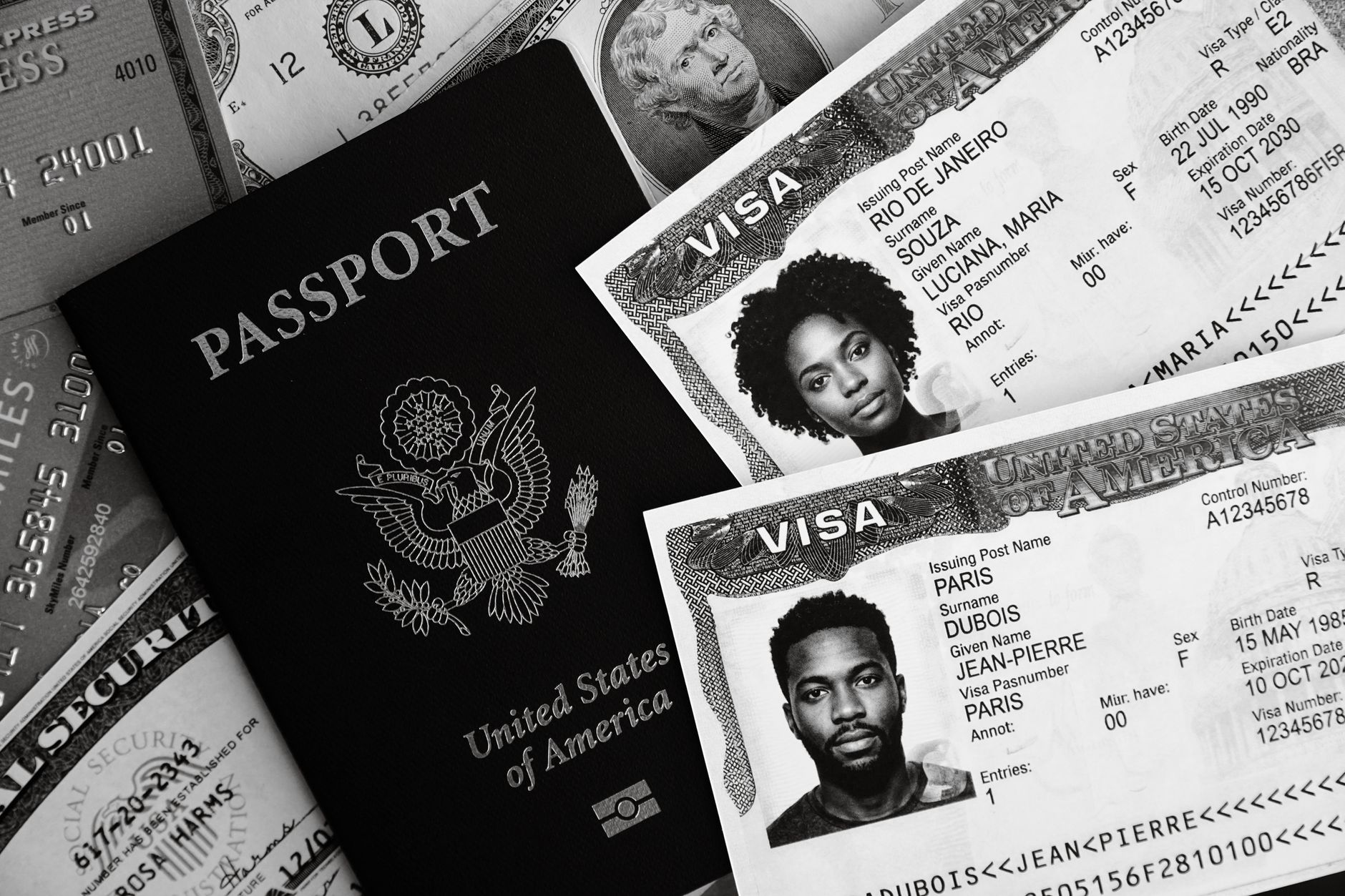
Trump H-1B Visa Plan is raising concerns about potential difficulties in securing visa extensions. Many applicants are left wondering how this will affect their future in the U.S.
Overview of Trump’s H-1B Visa Plan
The Trump H-1B Visa Plan has sparked significant debate among industry leaders and immigration advocates. This policy aims to reshape the existing framework of the H-1B visa program, which allows U.S. companies to employ foreign workers in specialty occupations. One of the most contentious aspects of the plan is its potential impact on visa extensions.
Under the proposed changes, the process for extending H-1B visas may become more rigorous, leading to potential challenges for thousands of workers currently in the U.S. The modifications include stricter eligibility criteria and enhanced scrutiny of applications, which could complicate the extension process for many.
Stakeholders have raised concerns about the implications of these changes, particularly for technology firms that heavily rely on H-1B visa holders. The fear is that increased barriers to extensions might lead to a talent drain, as skilled professionals may seek opportunities in more welcoming countries.
In summary, while the Trump H-1B Visa Plan aims to prioritize American workers, the potential consequences for extensions could be detrimental to the U.S. economy and its innovation landscape.
Impact on Visa Extensions
The impact of Trump’s H-1B Visa Plan on extensions has raised significant concerns among visa holders and potential applicants. Many experts believe that the changes could lead to a more challenging environment for those seeking to extend their stay in the United States.
Under the new plan, the following potential consequences are being discussed:
- Increased Scrutiny: Applications for extensions may undergo more rigorous scrutiny, resulting in higher denial rates.
- Longer Processing Times: The backlog of extension requests could grow, causing delays that affect the careers of thousands of skilled workers.
- Uncertainty for Employers: Companies relying on H-1B workers may face instability, leading to hesitance in hiring or retaining talent.
- Financial Impact: Increased fees associated with extensions may burden both employees and employers, making the process more costly.
Overall, the changes proposed in Trump’s H-1B Visa Plan could result in a significant shift in how extensions are handled, creating a more complex and uncertain landscape for current and future visa holders.
What Experts are Saying
Experts are expressing deep concerns about the implications of the Trump H-1B Visa Plan, particularly regarding the difficulties it may pose for visa extensions. Many believe that the plan could lead to significant disruptions in the workforce, especially in sectors that heavily rely on skilled foreign labor.
According to immigration analysts, the stringent regulations proposed could deter companies from hiring international talent. Dr. Emily Chen, a leading immigration policy researcher, stated, “The proposed changes to the H-1B Visa program could create an environment where extending visas becomes a cumbersome and uncertain process.”
Furthermore, Mark Robinson, an immigration attorney, highlighted that “many companies may reconsider their hiring strategies, leading to a potential talent drain from the U.S.”
Several industry leaders have echoed these sentiments, emphasizing that the lack of clarity surrounding extensions could result in businesses facing talent shortages. Experts warn that this shift may not only affect companies but also have broader implications for the economy as a whole.
In conclusion, the Trump H-1B Visa Plan could have far-reaching effects that extend beyond immigration, impacting various sectors dependent on skilled workers.
Alternatives for Visa Holders
As discussions surrounding Trump’s H-1B Visa Plan intensify, many visa holders are exploring alternatives to secure their stay in the United States. The changes proposed could complicate the extension process, prompting individuals to consider various options.
Some viable alternatives include:
- Employment-Based Green Cards: Transitioning from an H-1B visa to a green card can provide long-term stability. This route may involve obtaining sponsorship from an employer, which can lead to permanent residency.
- Family Sponsorship: Visa holders might consider family-based immigration options if they have relatives who are U.S. citizens or permanent residents. This pathway can sometimes expedite the immigration process.
- Other Work Visas: Individuals may also look into different non-immigrant work visas that may better suit their circumstances. For instance, the L-1 visa for intra-company transferees or the O-1 visa for individuals with extraordinary abilities could be alternatives.
As the landscape shifts due to the Trump H-1B Visa Plan, it is crucial for visa holders to stay informed and explore all possible avenues for maintaining their residency and employment in the U.S.
Future of Immigration Policies
The future of immigration policies under the Trump H-1B Visa Plan remains uncertain, as various stakeholders express concerns about potential ramifications for skilled workers. The ongoing debate highlights the complexities surrounding visa regulations, particularly in terms of extensions and renewals.
Many experts believe that if the Trump administration implements stricter measures, it could lead to a significant decrease in the number of H-1B visa holders who successfully secure extensions. This change may result in skilled professionals having to leave the United States, which could create a talent vacuum in critical industries.
Furthermore, the ramifications of these policies may extend beyond individual visa holders. Businesses that rely heavily on H-1B workers could face challenges in maintaining their workforce, potentially stifling innovation and growth. To navigate this uncertain landscape, companies may need to explore alternative pathways for obtaining talent, such as:
- Utilizing domestic talent pools
- Investing in training programs
- Exploring other visa options
As the situation evolves, stakeholders will need to adapt to the implications of the Trump H-1B Visa Plan on the future of immigration policies.
The Trump H-1B Visa Plan has raised concerns among many professionals who rely on these visas for their employment. Critics argue that the Trump H-1B Visa Plan will disproportionately affect those seeking extensions, leading to uncertainty in the workforce.