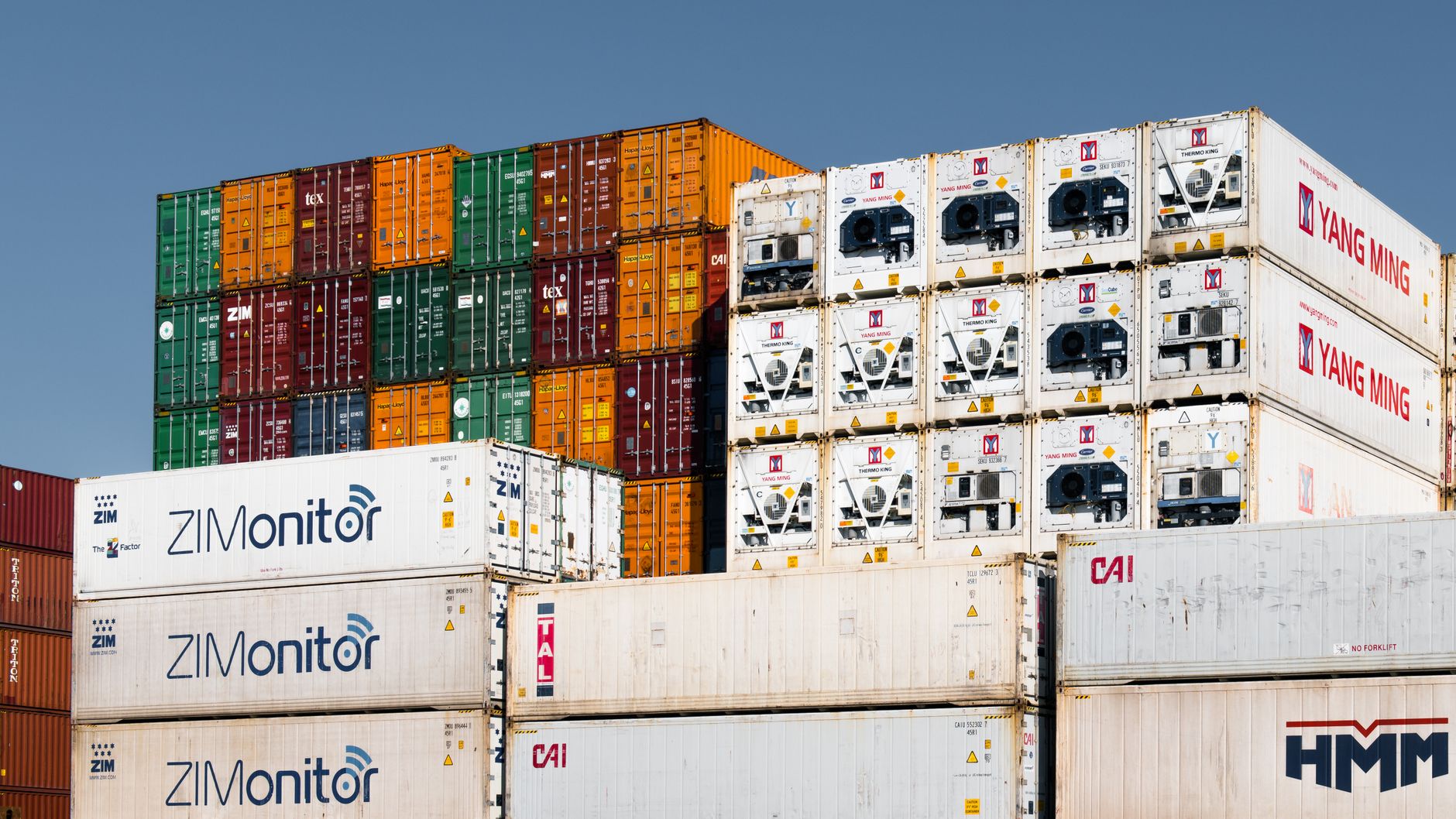
The refrigerated cargo terminal has officially opened in Spain, marking a significant development in the logistics sector. This facility aims to enhance the efficiency of transporting perishable goods.
Overview of the Refrigerated Cargo Terminal
The recent opening of a US$39 million refrigerated cargo terminal in Spain marks a significant development in the country’s logistics and transportation sector. This facility is designed to enhance the storage and distribution of perishable goods, ensuring they maintain their quality during transit. The refrigerated cargo terminal offers advanced temperature-controlled environments, which are crucial for products such as fruits, vegetables, and pharmaceuticals.
Spain’s strategic location as a gateway to Europe makes it an ideal hub for refrigerated logistics. The terminal is expected to boost trade efficiency by reducing spoilage and extending the shelf life of goods. Key features of the terminal include:
- State-of-the-art refrigeration technology
- Increased storage capacity for various temperature-sensitive products
- Streamlined distribution channels to major markets
As the demand for fresh and frozen products continues to rise, investments in refrigerated cargo terminals could prove to be a sound strategy for Spain’s economic growth and competitiveness in global markets.
Benefits of the New Terminal
The recent opening of the refrigerated cargo terminal in Spain presents numerous advantages for the local economy and the agricultural sector. This state-of-the-art facility is designed to enhance the storage and transportation of perishable goods, ensuring they maintain optimal quality during transit.
Among the key benefits of the new terminal are:
- Increased Efficiency: The terminal’s advanced technology allows for faster processing times, reducing delays in shipping.
- Market Expansion: Local producers can now access international markets more easily, boosting exports of fresh produce.
- Job Creation: The facility is expected to generate numerous jobs, contributing to the local economy.
- Environmental Impact: Improved logistics reduce carbon footprints by minimizing waste through better temperature control.
Overall, the refrigerated cargo terminal not only supports the agricultural community but also positions Spain as a key player in the global food supply chain, making it a potentially wise investment for the future.
Impact on Local Economy
The opening of the US$39 million refrigerated cargo terminal is poised to significantly impact the local economy in Spain. This investment is expected to enhance the region’s logistical capabilities and attract more businesses related to the cold chain supply industry.
Local stakeholders have expressed optimism about the potential benefits, which include:
- Job Creation: The terminal is anticipated to generate new employment opportunities, both directly and indirectly, as companies expand operations to take advantage of this facility.
- Increased Trade: Improved access to refrigerated transport may boost exports of perishable goods, benefiting local farmers and producers.
- Infrastructure Development: The terminal’s presence may encourage further investment in transportation and related infrastructure, enhancing overall economic connectivity.
Furthermore, the refrigerated cargo terminal could attract international firms seeking efficient storage and distribution solutions, solidifying Spain’s position as a key player in the global cold supply chain.
How It Enhances Trade
The newly opened refrigerated cargo terminal is set to enhance trade significantly in Spain. By enabling the efficient transport of perishable goods, it addresses crucial logistical challenges faced by exporters and importers alike.
This terminal provides a range of benefits that can transform the trade landscape:
- Improved Efficiency: The terminal allows for faster processing and handling of refrigerated goods, reducing transit times.
- Expanded Market Access: Businesses can now reach international markets more effectively, particularly for fresh produce and pharmaceuticals.
- Enhanced Quality Control: With state-of-the-art facilities, the terminal ensures that products maintain their quality during transportation.
- Increased Capacity: The facility can accommodate a larger volume of goods, catering to growing demands in the global market.
As Spain positions itself as a key player in the refrigerated cargo sector, the terminal not only bolsters local businesses but also strengthens the country’s overall trade infrastructure.
Future Prospects for Cargo Transport
The future of cargo transport in Spain looks promising with the recent launch of the US$39 million refrigerated cargo terminal. This facility is expected to play a crucial role in streamlining the transportation of perishable goods, which is vital for both local and international trade. Experts predict that as demand for fresh products increases, the refrigerated cargo terminal will become a central hub for logistics.
Moreover, advancements in technology are likely to enhance the efficiency of operations at these terminals. With the integration of smart monitoring systems and automated processes, the handling of refrigerated goods can be optimized, reducing waste and improving delivery times.
In addition, the terminal is projected to attract new business opportunities, fostering partnerships with international suppliers and distributors. Key players in the industry believe that this investment will not only boost Spain’s export capabilities but also position the country as a leader in refrigerated transport within Europe.
Overall, the refrigerated cargo terminal stands as a pivotal investment for the future of Spain’s logistics sector.
Comparing Cargo Terminals in Europe
As the logistics landscape evolves, several European countries are enhancing their cargo terminal capabilities. Spain’s newly opened refrigerated cargo terminal is positioned to compete with other major terminals across the continent.
When comparing cargo terminals in Europe, several factors come into play:
- Infrastructure: The quality of facilities and technology used in handling perishable goods can significantly impact efficiency.
- Geographic Location: Proximity to major trade routes and markets is crucial for reducing transportation times.
- Regulatory Environment: The ease of doing business and supportive regulations can enhance operational efficiency.
- Investment Opportunities: Countries that prioritize funding for logistics infrastructure often attract more businesses.
Countries like the Netherlands and Germany have long been leaders in refrigerated logistics, but Spain’s terminal aims to shift the balance, bringing competitive advantages to the Mediterranean region.
Conclusion on Spain’s New Facility
In conclusion, the opening of the refrigerated cargo terminal in Spain represents a significant step forward for the country’s logistics and trade capabilities. This US$39 million investment is poised to enhance Spain’s position in the international market, particularly for perishable goods.
The facility not only addresses the growing demand for efficient cold chain logistics but also supports local businesses and agricultural producers by providing them with improved access to global markets. The refrigerated cargo terminal facilitates the growth of trade opportunities, ensuring that fresh products can reach consumers in optimal condition.
As Spain continues to develop its infrastructure, the long-term benefits of this new facility could outweigh initial investment costs. By fostering innovation and reliability in cargo transport, Spain is setting a precedent for other European nations to follow.
Ultimately, the refrigerated cargo terminal may prove to be one of the best investments for Spain, driving economic growth and enhancing its competitive edge in the global trade landscape.
Photo by Wolfgang Weiser on Pexels