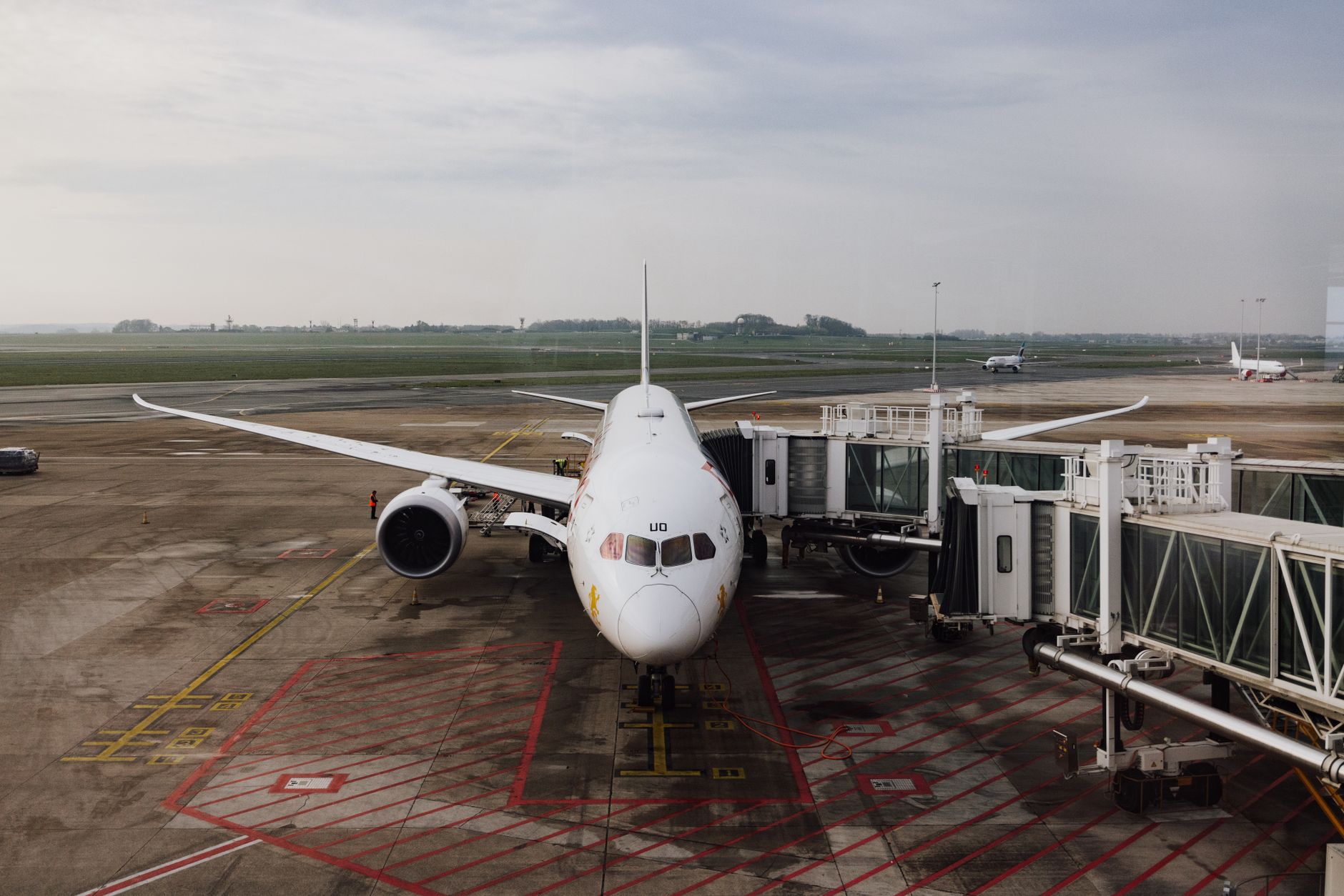
airport capacity issues are becoming a pressing concern in India, raising questions about the impact on passengers. With increasing air traffic, the strain on airports is evident.
Understanding Airport Capacity Issues
As air travel continues to rise, understanding airport capacity issues becomes increasingly critical for passengers and airlines alike. These challenges can manifest in various ways, impacting not just flight schedules but also the overall travel experience.
Airport capacity issues often arise from a combination of factors:
- Inadequate Infrastructure: Many airports were designed to accommodate a specific number of flights and passengers, which can lead to congestion as traffic increases.
- Regulatory Constraints: Government regulations may limit the number of takeoffs and landings allowed at busy airports, exacerbating delays and overcrowding.
- Technological Limitations: Outdated air traffic control systems can hinder efficiency, complicating the management of increased air traffic.
The consequences of these capacity issues are often felt directly by passengers. Delays and cancellations become more prevalent, leading to increased travel times and frustration. Additionally, passengers may face higher ticket prices as airlines adjust to manage the operational challenges posed by limited airport capacity.
As demand for air travel continues to soar, it is essential for stakeholders in the aviation industry to address these airport capacity issues. Without effective solutions, the cost of air travel will likely rise, and the quality of service may continue to decline, leaving passengers to bear the brunt of these challenges.
Impact on Passenger Experience
The ongoing airport capacity issues are having a significant impact on passenger experience, leading to frustration and inconvenience at terminals across the country. As air travel demands continue to rise, many airports are struggling to accommodate the increasing number of passengers and flights.
One of the most immediate effects felt by travelers is the prevalence of long wait times. Passengers often find themselves standing in lengthy security lines, waiting for check-in, or sitting on the tarmac for extended periods. This not only adds to the stress of travel but also reduces the overall satisfaction with the journey.
Additionally, capacity constraints can lead to flight delays and cancellations. Many airlines are forced to adjust their schedules as they navigate the limited availability of gates and runways. As a result, passengers may experience unexpected changes to their itineraries, leading to missed connections and disrupted plans.
Moreover, the overcrowding in terminals can diminish the overall ambiance of the airport experience. Limited seating, fewer amenities, and increased noise levels contribute to a less pleasant environment for travelers. The combination of these factors paints a troubling picture for passenger satisfaction.
Ultimately, as airports grapple with their capacity challenges, it is crucial for both airport authorities and airlines to prioritize improvements that will enhance the passenger experience and alleviate the strain on current infrastructure.
Government Response to Capacity Challenges
The Indian government is acutely aware of the growing airport capacity issues affecting travelers across the nation. In response, it has initiated several measures aimed at alleviating congestion and enhancing the overall passenger experience. These efforts are crucial as the demand for air travel continues to soar.
One significant step taken involves the expansion and modernization of existing airport facilities. New terminals are being constructed, and existing ones are being upgraded to accommodate a larger volume of passengers. Additionally, there are plans to develop greenfield airports in strategically important locations to further increase capacity.
Furthermore, the government is investing in upgrading air traffic management systems to improve efficiency. This includes implementing advanced technology to optimize flight routes and reduce delays, which is essential for managing the increased number of flights.
In conjunction with infrastructure improvements, the government is also focusing on enhancing public-private partnerships. By engaging with private stakeholders, the aim is to attract investment and expertise in airport management, thereby accelerating capacity enhancement projects.
However, critics argue that these measures may not be sufficient to address the immediate challenges faced by passengers. Many are left wondering whether the government’s response will be timely enough to prevent travelers from paying the price for ongoing capacity issues in the long term.
Comparative Analysis with Global Airports
As global air travel continues to rise, many airports face significant capacity issues that affect passenger experiences. A comparative analysis reveals that while some regions have effectively expanded their infrastructure, others lag behind, leading to increased congestion and delays.
In Europe, airports like London Heathrow and Amsterdam Schiphol have invested heavily in modernizing facilities to accommodate growing passenger traffic. These improvements include:
- Expanded terminals: Increasing boarding and security areas to streamline passenger flow.
- Enhanced technology: Implementing automated systems for check-ins and baggage handling.
- Increased flight slots: Allowing more takeoffs and landings during peak hours.
Conversely, in regions such as South Asia, many airports struggle with outdated infrastructure. India’s airport capacity issues have been particularly pronounced, resulting in long wait times and overcrowded terminals. Passengers often experience:
- Increased delays: Flights are frequently rescheduled or canceled due to air traffic management constraints.
- Higher costs: Airlines may raise ticket prices to offset operational inefficiencies.
- Compromised safety: Overcrowding can lead to heightened risks during boarding and disembarkation.
This disparity in airport management and expansion shows that addressing capacity issues is crucial for enhancing the overall travel experience for passengers worldwide.
Future of Air Travel in India
The future of air travel in India is poised for significant transformation as the nation grapples with airport capacity issues. With the rapid growth of the aviation sector, airports are becoming increasingly congested, impacting both operational efficiency and passenger satisfaction. The Indian government has recognized the urgency of these challenges and is actively investing in infrastructure development.
Several new airport projects are underway, aiming to alleviate the pressures on existing facilities. These initiatives include:
- Expansion of current terminals to accommodate more passengers.
- Construction of new airports in underserved regions.
- Implementation of advanced technologies to streamline operations.
Despite these efforts, experts warn that the pace of development may not keep up with the growing demand for air travel. As India emerges as one of the fastest-growing aviation markets, it is crucial that stakeholders address the underlying capacity issues to ensure a seamless travel experience.
Moreover, the impact of these capacity constraints extends beyond mere inconvenience. Passengers often face delays and increased fares due to the operational inefficiencies resulting from overcrowded airports. The struggle for better airport capacity will ultimately shape the future of air travel in India, influencing everything from ticket prices to customer loyalty.
In conclusion, the trajectory of India’s aviation industry hinges on its ability to resolve these pressing airport capacity issues.
Solutions for Improving Capacity
As airport capacity issues continue to plague the aviation sector, stakeholders are exploring various solutions to improve operational efficiency and enhance passenger experience. Here are some potential strategies:
- Infrastructure Upgrades: Expanding runways, terminals, and baggage handling systems can significantly increase an airport’s capacity. Investment in modern facilities ensures that airports can accommodate more flights and passengers, minimizing delays.
- Advanced Technology: Implementing cutting-edge technologies such as automated check-in systems, enhanced security screening, and real-time data analytics can streamline airport operations. This reduces congestion and improves the overall flow of passenger traffic.
- Air Traffic Management: Upgrading air traffic control systems to utilize advanced communication protocols can enhance the efficiency of flight schedules and reduce airspace congestion, allowing for more flights to operate safely.
- Collaborative Planning: Airports can work closely with airlines and government agencies to develop coordinated schedules and optimize slot allocations. This collaborative approach can help mitigate capacity constraints during peak travel times.
- Public-Private Partnerships: Engaging private investors in airport projects can accelerate development and funding for capacity-enhancing initiatives. This can lead to faster implementation of necessary upgrades.
Addressing airport capacity issues is not just about expanding physical space; it also involves embracing innovative solutions that prioritize passenger needs and ensure smoother travel experiences.
As airlines struggle to accommodate growing passenger numbers, airport capacity issues directly lead to longer wait times and increased frustration. Ultimately, these airport capacity issues not only affect travelers’ experiences but also contribute to higher operational costs for airlines.
Photo by K on Pexels