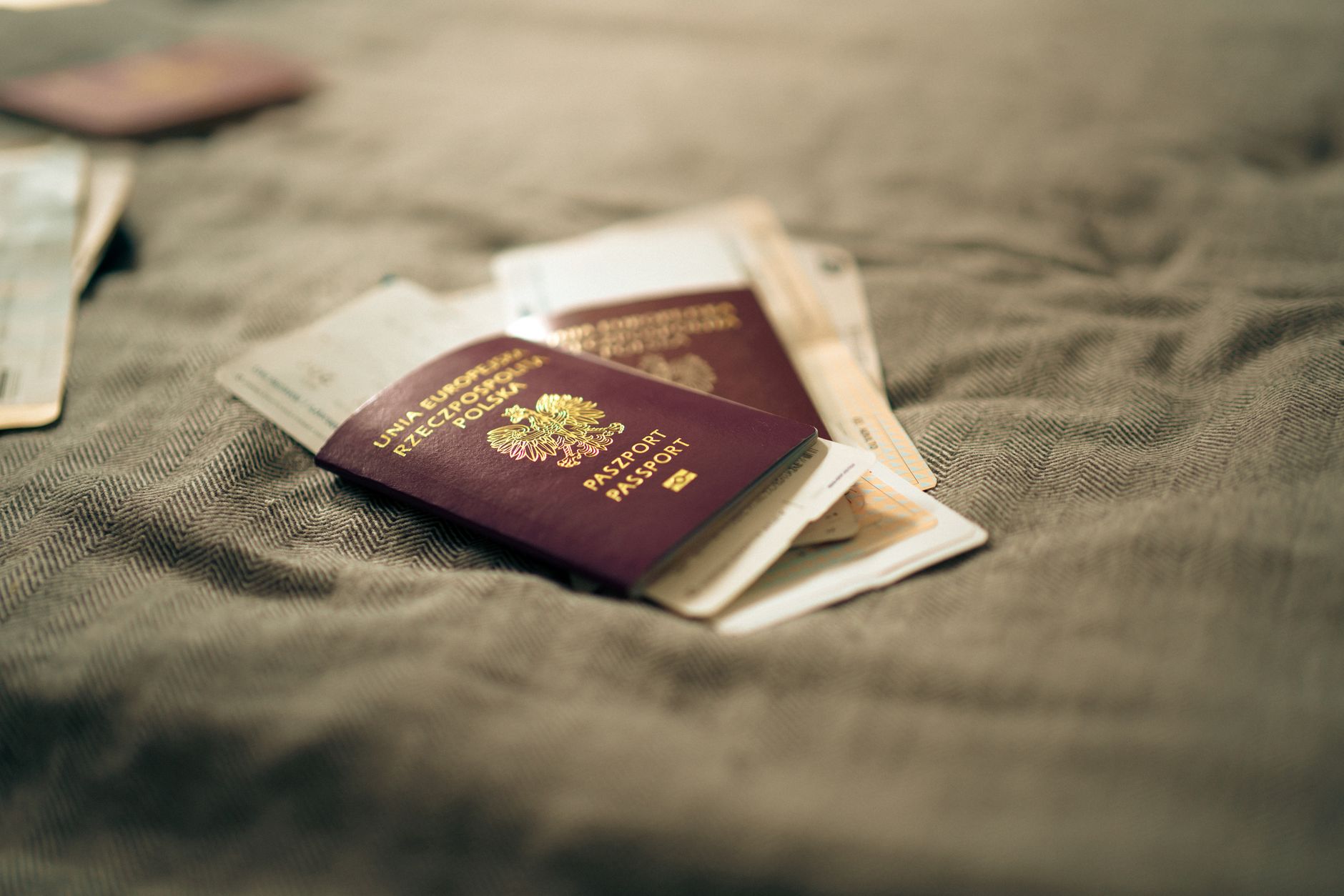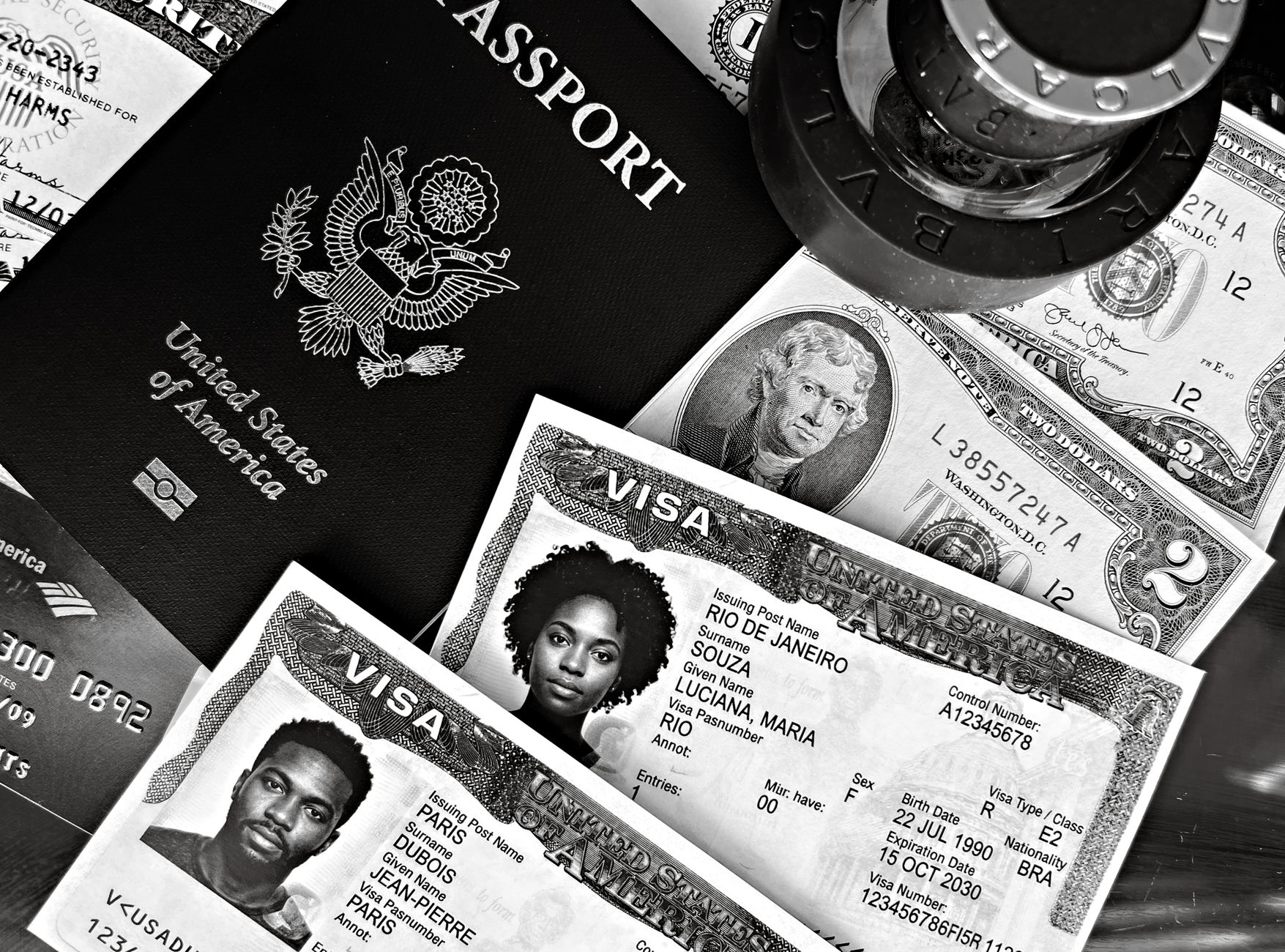
birth tourism visas are facing scrutiny as the US government revokes over 6,000 of them. This crackdown aims to address concerns surrounding immigration policies and the misuse of visitor visas.
Understanding Birth Tourism
Birth tourism has emerged as a controversial topic in recent years, especially with the increasing scrutiny of birth tourism visas by various governments. This practice involves expecting mothers traveling to another country to give birth, often with the hope that their child will gain citizenship or residency rights in that country.
Many families opt for this route for several reasons:
- Citizenship benefits: Children born in countries like the United States automatically acquire citizenship, which can offer advantages such as access to education and healthcare.
- Improved future opportunities: Parents believe that providing their child with citizenship can lead to better job prospects, living conditions, and overall quality of life.
- Avoiding strict immigration laws: Some families may find it easier to navigate the immigration system by giving birth abroad rather than attempting to secure visas or residency through traditional means.
However, this practice is not without its challenges. Many countries, including the U.S., are tightening regulations around birth tourism, leading to the revocation of thousands of birth tourism visas. Critics argue that this could deter legitimate travelers and create a sense of uncertainty for those hoping to utilize this option for their families.
Impact of Visa Revocations
The recent revocation of over 6,000 visas associated with birth tourism has sent shockwaves through immigrant communities. Many families seeking to secure U.S. citizenship for their newborns through birth tourism visas are now facing uncertainty and disruption. The crackdown highlights the increasing scrutiny on visa applications linked to this practice.
Authorities argue that birth tourism undermines the integrity of the immigration system, raising concerns about the potential for fraud. As a result, many women who planned to travel to the U.S. to give birth are now reconsidering their options. The implications of these visa revocations extend beyond the immediate inconvenience, affecting both families and the healthcare system.
- Emotional Toll: Families are left feeling anxious and vulnerable, facing the possibility of being separated from their newborns.
- Financial Impact: Many have already invested significant resources in travel and accommodations, only to have their plans derailed.
- Healthcare Access: Hospitals may experience shifts in patient demographics, affecting how they allocate resources and prepare for deliveries.
As the U.S. government intensifies its focus on regulating immigration practices, the future of birth tourism remains uncertain. Families must weigh the risks and benefits of pursuing birth tourism visas in light of the current climate, making informed choices that prioritize their well-being and stability.
Government’s Stance on Immigration
The government’s stance on immigration, particularly concerning birth tourism visas, has become increasingly stringent. In recent months, officials have implemented measures to address what they describe as the misuse of these visas. The crackdown has resulted in the revocation of over 6,000 visas, emphasizing the administration’s commitment to curbing unauthorized immigration practices.
Authorities argue that birth tourism undermines the integrity of the immigration system. They assert that this practice takes advantage of the U.S. legal framework, where a child born on American soil automatically gains citizenship. As such, the government is focusing on enforcing stricter regulations and heightened scrutiny for applicants seeking birth tourism visas.
In addition to the visa revocations, the government has increased public awareness campaigns to inform potential immigrants about the risks associated with birth tourism. Officials are encouraging individuals to seek legal pathways for immigration rather than relying on methods perceived as exploitative. This includes providing information on available visas and residency options that align with U.S. immigration policy.
The administration’s approach has sparked debates among immigration advocates and policy experts. Many argue that the crackdown disproportionately affects vulnerable families seeking better opportunities, while others maintain that stricter measures are necessary to maintain the rule of law. As the situation unfolds, the future of birth tourism visas remains uncertain.
Future of Visa Policies
The landscape of immigration policies is continually evolving, particularly concerning birth tourism visas. As the U.S. government strengthens its stance on immigration, the future of these visas appears increasingly uncertain.
In recent months, the U.S. has implemented stricter regulations, leading to the revocation of over 6,000 visas linked to birth tourism. This crackdown has raised concerns among potential immigrants who view these visas as a pathway to secure citizenship for their children. Observers note that the government’s aggressive actions may deter future applicants, pushing them to seek alternatives in other countries.
As policymakers consider reforms, several factors will likely influence the future of birth tourism visas:
- Public Opinion: Growing sentiment against birth tourism may lead to more stringent regulations.
- Legal Challenges: Ongoing court cases regarding immigration policies could reshape how these visas are issued and managed.
- International Relations: Diplomatic ties with other nations can impact visa opportunities and the perception of birth tourism.
- Economic Factors: Changes in the economy may shift the priorities of immigration policies, favoring skilled labor over family-based immigration.
Ultimately, the future of birth tourism visas remains in flux, with potential implications for countless families looking to navigate the complexities of U.S. immigration law.
Photo by DΛVΞ GΛRCIΛ on Pexels