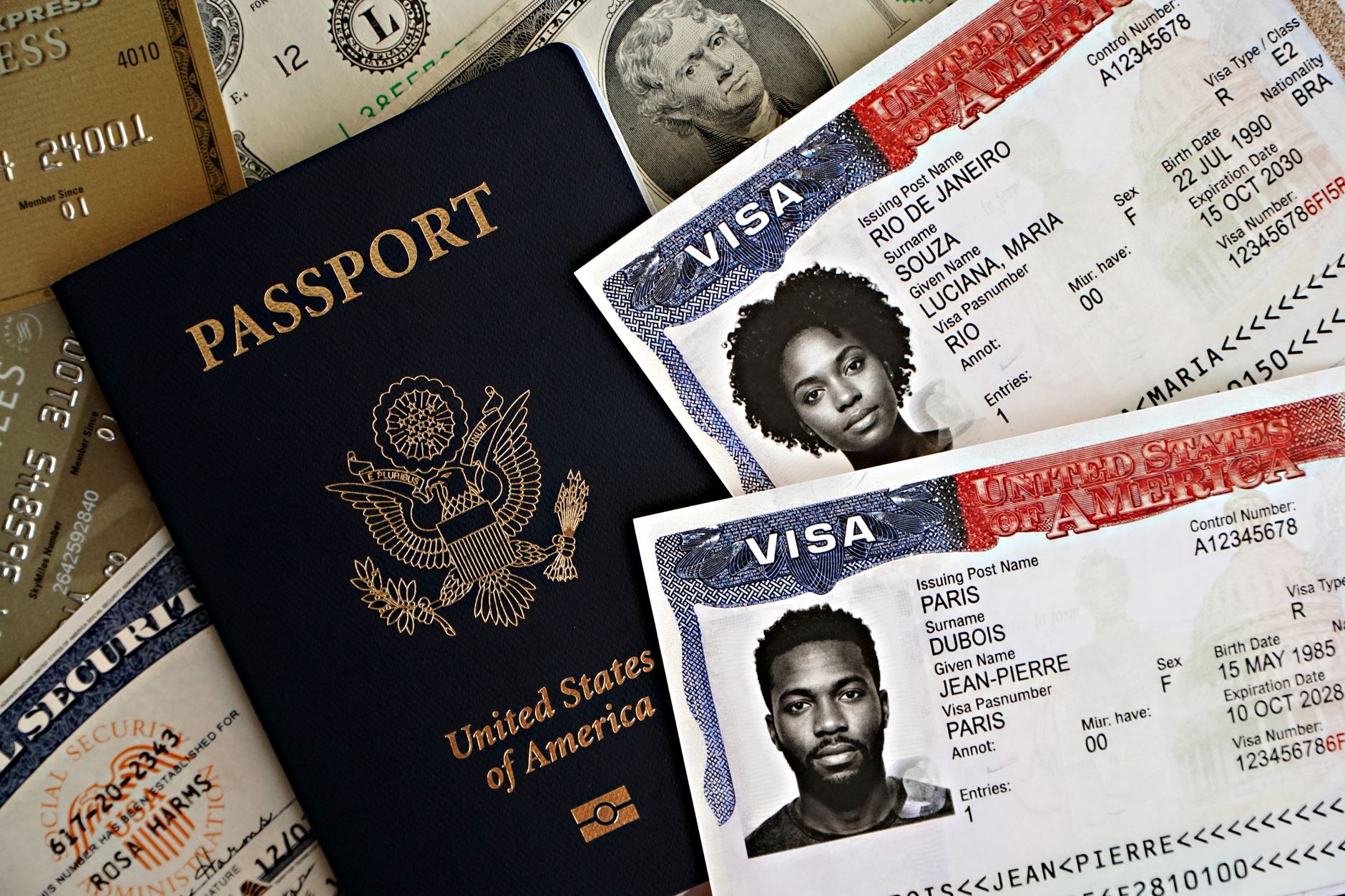
UK visa changes have sparked fresh uncertainty as old extension routes close. This shift in immigration policy leaves many applicants concerned about their future options.
Understanding the UK visa changes
The recent UK visa changes have left many applicants facing uncertainty as several old extension routes have been closed. This significant shift in policy has raised concerns about the implications for those seeking to live, work, or study in the UK.
Many stakeholders, including immigration lawyers and potential applicants, are voicing their worries over the reduced options available. The following points highlight the worst impacts of these changes:
- Increased Application Complexity: The new requirements may lead to confusion among applicants who are unfamiliar with the updated processes.
- Higher Costs: With the introduction of new application fees and potential legal expenses, many applicants may find the financial burden overwhelming.
- Longer Processing Times: As the system adjusts to these changes, applicants might experience delays that could affect their plans.
- Limited Pathways to Residency: For some, the closing of extension routes means fewer opportunities to secure long-term residency in the UK.
- Emotional Stress: The uncertainty surrounding visa applications can lead to increased anxiety for families and individuals planning their futures.
Overall, the UK visa changes have generated a climate of unpredictability, making it crucial for applicants to stay informed and seek professional guidance.
Impact on visa applicants
The recent UK visa changes have introduced significant challenges for potential applicants, creating a sense of uncertainty and anxiety. Many individuals seeking to relocate, work, or study in the UK now face obstacles that could hinder their plans.
One of the primary impacts of these changes is the narrowing of eligibility criteria. Many applicants who previously qualified for visa extensions or specific routes may find themselves excluded from these options. This has particularly affected those with unique circumstances, such as international students and skilled workers.
Moreover, the processing times for visas have increased, leading to delays in application outcomes. Applicants are experiencing longer waiting periods, which can disrupt their plans and commitments.
Another significant concern involves financial implications. Applicants now may have to demonstrate higher levels of savings or income to meet the new requirements. This additional burden can be particularly challenging for those who are already navigating tight budgets.
In summary, the UK visa changes have had far-reaching effects on applicants, from increased processing times and financial strain to the removal of previously accessible routes. As these new regulations take effect, many are left wondering how they will adapt to this evolving landscape.
Alternatives to old extension routes
The recent UK visa changes have led to the closure of several old extension routes, leaving many applicants in search of alternatives. As the landscape of immigration evolves, it is crucial for applicants to explore their options to avoid potential disruptions to their stay in the UK.
One viable alternative is the Skilled Worker Visa, which allows individuals to work in the UK with an approved employer. This route not only provides a pathway to residency but also opens doors for skilled professionals across various sectors.
Another option is the Global Talent Visa, designed for highly skilled individuals in fields such as science, humanities, engineering, and the arts. This visa offers flexibility and can lead to indefinite leave to remain, making it an attractive choice for those who qualify.
For students, the Graduate Route enables international graduates to remain in the UK for up to two years post-study, allowing them to seek employment or further their career aspirations.
Ultimately, applicants must stay informed about the evolving regulations and consider consulting with immigration experts to navigate the new landscape effectively.
As the UK visa changes unfold, understanding these alternatives will be essential for those affected by the closures of traditional extension routes.
Expert opinions on immigration policy
Experts in immigration policy have voiced their concerns regarding the recent UK visa changes, highlighting significant implications for applicants. Many believe that the alterations to the visa system could lead to increased uncertainty and stress for those seeking to live and work in the UK.
Dr. Sarah Mitchell, a leading immigration consultant, stated that “the sudden closure of old extension routes has left many individuals in a precarious position.” She emphasized that applicants may struggle to navigate the new requirements without sufficient guidance.
Furthermore, Professor James O’Connor from the University of London noted that “these changes could disproportionately affect vulnerable populations.” He expressed concern that many applicants may not have access to the resources or information necessary to adapt to the new system.
Among the most troubling aspects of the UK visa changes is the potential for increased application processing times. As Emily Chen, an immigration lawyer, pointed out, “longer waits for decisions can lead to anxiety and disrupt individuals’ plans for employment and family.”
In conclusion, experts are calling for a more transparent and supportive approach to immigration policy to minimize the negative impacts on applicants navigating these significant changes.
Read the original
You might also like
Dubai Saudi flights suspended: Worst travel disruptions · David Hockney Gallery reopening: A Worthy Update to Explore · Oregon Vortex Reopening: What Are the Biggest Hurdles?