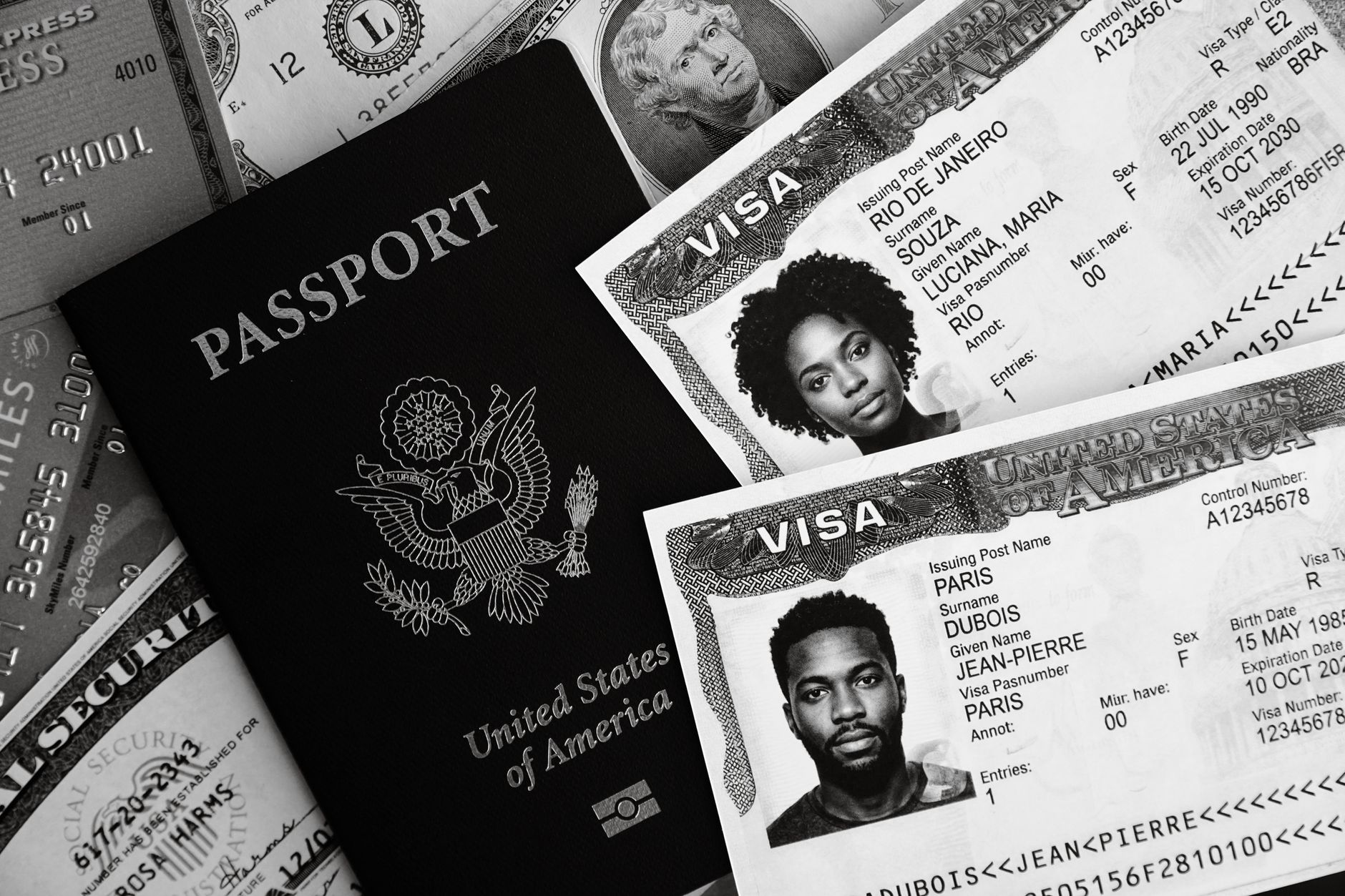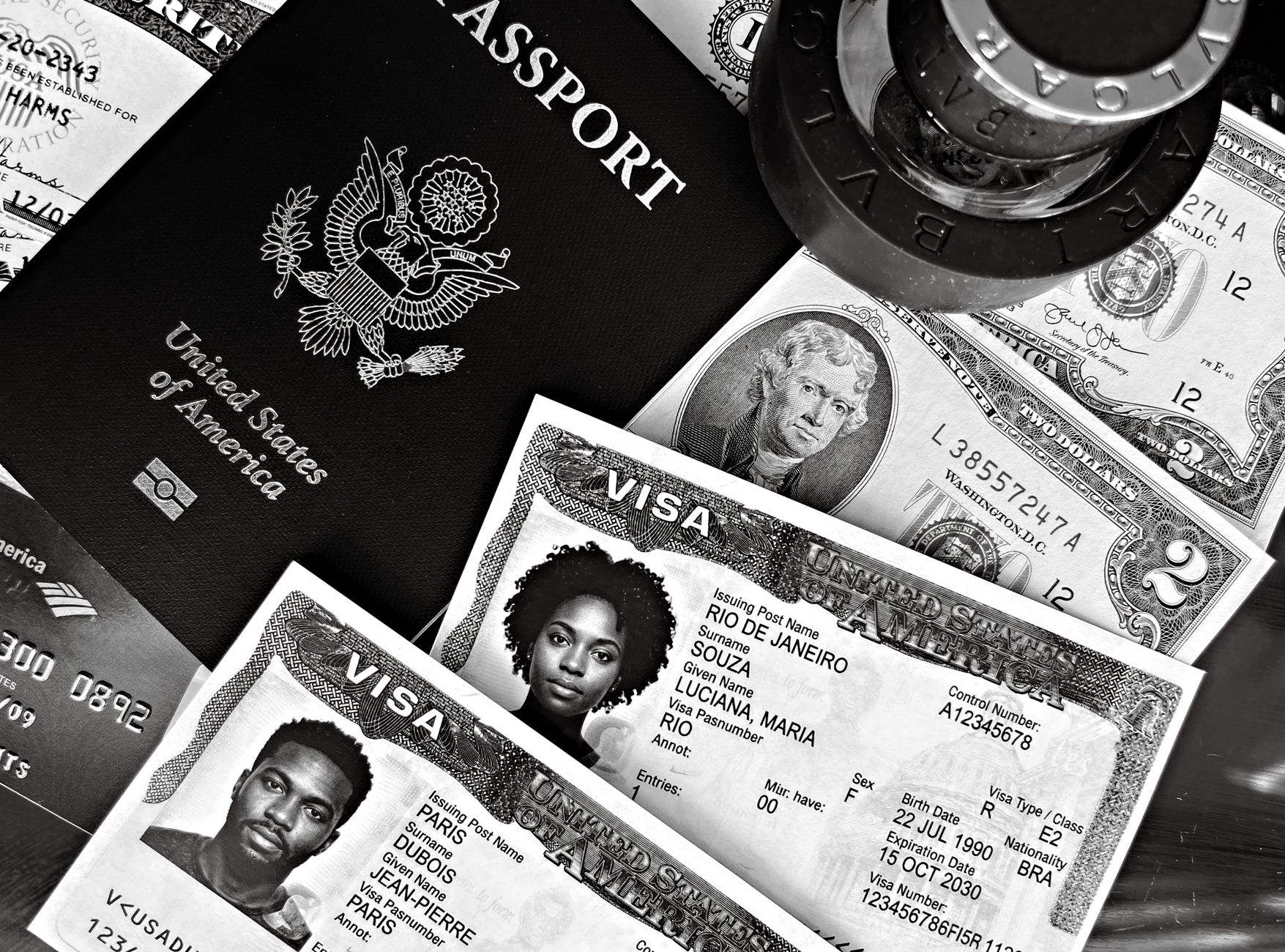
H-1B visa policy changes are at the forefront of immigration discussions. This article provides a complete breakdown of the recent shifts in visa measures and green-card policies.
Overview of Recent Visa Policy Changes
In recent months, significant changes have been made to the H-1B visa policy, reflecting a new approach to immigration and labor regulations in the United States. These shifts aim to prioritize local workforce development while adjusting the criteria for foreign workers seeking employment in specialized fields.
Key updates in the H-1B visa policy include:
- Increased Scrutiny: Applications are now subject to more rigorous evaluation processes, ensuring that employers demonstrate a genuine need for foreign talent.
- Higher Salary Requirements: Employers must meet elevated wage standards to qualify for hiring H-1B visa holders, aligning compensation more closely with industry norms.
- Streamlined Application Process: Certain measures have been introduced to expedite processing times, helping businesses to fill critical roles more swiftly.
- Focus on STEM Fields: The revised policy emphasizes the recruitment of professionals in science, technology, engineering, and mathematics, reflecting the administration’s commitment to bolstering these essential sectors.
As these H-1B visa policy changes continue to unfold, stakeholders are encouraged to stay informed and adapt their strategies accordingly.
Impact of H-1B Visa Changes
The recent changes to the H-1B visa policy have far-reaching implications for both foreign professionals and U.S. employers. With the tightening of regulations, many companies may find it increasingly difficult to secure necessary talent from abroad. This shift has prompted a reevaluation of recruitment strategies, as firms must now navigate a more complex landscape.
Key impacts of the H-1B visa policy changes include:
- Increased Scrutiny: Employers must provide more comprehensive documentation to justify the need for foreign workers, leading to longer processing times.
- Reduced Quotas: The cap on H-1B visas may be further tightened, limiting the number of skilled workers entering the market.
- Higher Costs: Companies could face increased fees and legal expenses to comply with the new regulations.
- Shift in Workforce Dynamics: Employers may increasingly consider domestic talent or alternative visa options, affecting the global flow of skilled labor.
As organizations adapt to these changes, a strategic approach to workforce planning will be crucial for maintaining competitive advantage in an evolving economic landscape.
Understanding Green-Card Policy Adjustments
The recent adjustments in the green-card policy are closely intertwined with the H-1B visa policy changes. These modifications aim to streamline the immigration process for skilled workers while addressing concerns over job displacement among U.S. citizens.
Key aspects of the green-card policy adjustments include:
- Increased Priority for High-Skilled Workers: The new measures prioritize applicants with advanced degrees and specialized skills, making it easier for H-1B visa holders to transition to permanent residency.
- Family-Based Immigration Reforms: Changes in family-based immigration will impact green-card issuance, potentially reducing backlogs and expediting the process for immediate family members of U.S. citizens and permanent residents.
- Job Offer Requirements: Applicants must demonstrate a job offer from a U.S. employer, ensuring that green cards are awarded to those who can fill skill gaps in the labor market.
These adjustments reflect an effort to balance the needs of the U.S. economy with the demand for skilled labor, all while navigating the complexities introduced by recent H-1B visa policy changes.
What Remains Unaffected by New Measures?
The recent changes to the H-1B visa policy have sparked discussions about what aspects remain unaffected. Understanding these untouched elements is crucial for employers and prospective employees navigating the new landscape of immigration regulations.
Despite the adjustments, several key areas continue to operate under existing protocols:
- Current Visa Holders: Individuals already holding an H-1B visa are generally not impacted by the new policy changes, allowing them to continue their employment without disruption.
- Permanent Residency Applications: Those who have already initiated their green-card applications will find that their processes remain largely unchanged, ensuring stability in their pursuit of permanent residency.
- Family-Based Immigration: The rules governing family members of visa holders, including spouses and children, will not see significant alterations, preserving the family unity aspect of immigration.
- Employer Obligations: Employers are still required to comply with labor laws and maintain the same level of transparency and accountability in their hiring practices.
As stakeholders adapt to the H-1B visa policy changes, it is important to recognize these unaffected areas to ensure a smooth transition and continued compliance with immigration regulations.
Future Implications for Immigrants
The recent H-1B visa policy changes are expected to have significant implications for immigrants seeking employment in the United States. As the landscape shifts, several outcomes may arise that could affect both current and prospective visa holders.
Many experts believe that these changes could lead to increased competition among skilled workers, particularly in high-demand fields such as technology and healthcare. The tightening of visa regulations may also result in a decrease in the number of available positions for foreign workers, as companies may be more reluctant to navigate the complex application process.
Furthermore, the evolving policies could push some immigrants to explore alternative pathways to work in the U.S., including:
- Temporary work permits for specific industries
- Employment-based green cards for longer-term residency
- Entrepreneurial visas for those starting businesses
Overall, while the H-1B visa policy changes aim to protect American jobs, they may inadvertently limit opportunities for skilled immigrants, leading to a reevaluation of how foreign talent is utilized in the workforce.
The recent H-1B visa policy changes have sparked discussions about their impact on the tech industry. Companies are now exploring best proven measures to adapt to these H-1B visa policy changes.
Photo by DΛVΞ GΛRCIΛ on Pexels